Gynecomastia refers to harmless enlargement of the male breast, and is frequently caused by hormonal abnormalities, drugs, or a health problem. Although this is normally not life-threatening, it may produce both physical and psychological distress. Regular self-care activities including lifestyle change, physical activity, and eating habits, could be used in controlling symptoms and long-term management. Self-care however, is the most effective when the case is mild to moderate. The chronic, painful or rapidly developing gynecomastia needs the attention of a medical professional to exclude the presence of underlying causes or to consider specific treatment options.
Understanding Gynecomastia
Gynecomastia is an innocent enlargement of men’s breast tissue due to an increase in glandular tissue. It typically occurs in the form of a hard, rubbery mass under the nipple and may be unilateral or bilateral. Some patients can have tenderness, sensitivity or mild pains, but most of them are asymptomatic. Although gynecomastia may be harmless, it may have a detrimental effect on self-esteem and body image, and hence early identification and distinction between it and other disorders, including breast cancer or pseudogynecomastia is significant.
Difference Between True Gynecomastia and Pseudogynecomastia
The real gynecomastia is where the glandular tissue of the breast grows, this is usually firm and concentrated on the areola. Hormonal imbalances such as the ratio of estrogen to testosterone usually cause it. Pseudogynecomastia on the other hand is caused by fatty tissue buildup and not glandular proliferation. It is typically diffuse and soft on the chest. It is important to draw the line between these two conditions, as in most cases, the former can be treated by weight loss and changing lifestyle, but the latter can be a condition that should be checked or treated medically.
Common Age Groups Affected
Gynecomastia is experienced at any age, although during three periods of existence there are the most common times of occurrence. Estrogen exposure to the neonate may result in temporary enlargement of the breast tissue and this can be resolved in a few weeks. Gynecomastia is acute in adolescents due to the short-lived hormonal changes in puberty; it typically fades away in one to two years.
Causes of Gynecomastia
Gynecomastia occurs normally due to hormonal imbalances, drugs, or an underlying ailment. Too much estrogen compared to testosterone during puberty, or in old age or as a result of hypogonadism can cause the growth of breast tissue. Some of them are the anti-androgens, antidepressants, anabolic steroids and even recreational drugs like alcohol. Many other chronic diseases such as liver, kidney, thyroid and Gynecomastia can also be caused by chronic diseases like liver or kidney disease, thyroid diseases and hormone-secreting tumors are also cause Gynecomastia.
Lifestyle-Based Gynecomastia Self-Care Measures
Gynecomastia can be treated by adopting lifestyle habits that promote body fat reduction and hormonal balance. Taking weight control seriously with constant exercise and careful diet are some of the main tactics of long-term symptom control. These interventions are used as supplements to medical assessments, and they can enhance physical attractiveness as well as the general well-being.
Weight Management and Body Composition
The production of estrogen may be enhanced by excess body fat, thus leading to gynecomastia. The healthy weight of the body under the control of calories and regular exercise contributes to the decrease of adipose tissue and hormone-related enlargement of the breast. Evidence-based interventions involve portion control, balanced intake of macronutrients and progressive and gradual weight reduction to aid in long-term symptomatic gains.
Physical Activity and Exercise
Gynecomastia can be managed through regular exercise as it burns fat on the body and tightens the chest muscles. Pectoral muscles are developed by resistance training which improves the look of the chest and cardiovascular exercise helps us to lose fat. Chest exercises help out in a positive way and contribute to getting better results.
Dietary Modifications
A balanced diet helps to maintain the hormonal balance and body weight. Focus on healthy foods such as lean protein, vegetables, and healthy fats and reduce processed foods, high-sugar foods, and too many soy products. Alcohol should be kept to a minimum since it interferes with endocrine balance and increases gynecomastia. Regular eating patterns are effective as part of exercise and weight maintenance in the best self-care.
Hormonal and Medication Awareness
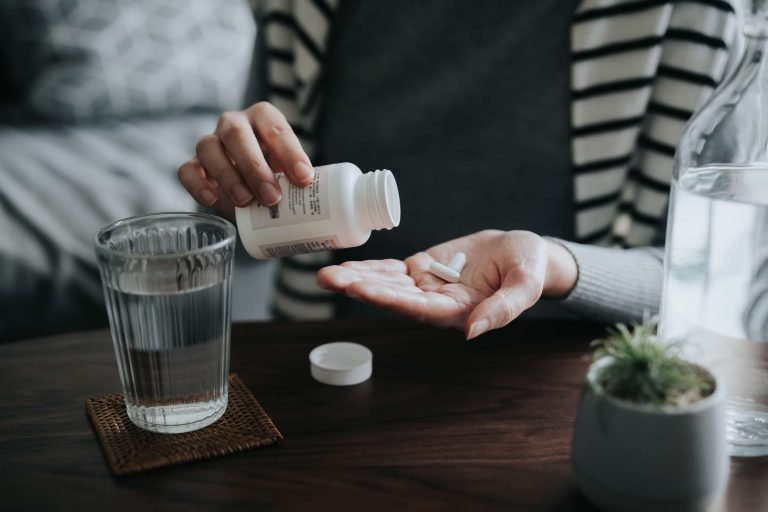
The knowledge of drugs and substances that influence hormone balance is critical in the treatment of gynecomastia. A conversation with a physician to review the prescriptions and the avoidance of anabolic steroids, recreational drugs and excessive alcohol intake may help to avoid growing the breast tissue and assist in controlling symptoms in the long term.
Reviewing Current Medications
Some drugs may lead to gynecomastia by causing hormonal changes or direct action on the breast tissues. Examples are anti-androgens, certain antidepressants, chemotherapeutic agents and cardiovascular drugs. It is crucial to conduct a close examination of the existing drugs with a doctor to discover possible causes. Any change or cancellation of prescription pills must be directed by a health facility since it may be detrimental.
Supportive Measures for Symptom Control
Comfort and the appearance of the chest can be enhanced with the help of supportive measures such as compression garments and management of mild pain. They can be used to alleviate pain, improve everyday, and supplement lifestyle or medical treatments in long-term management of gynecomastia.
Compression Garments: Compression shirts may be utilized to flatten the chest, improve the body, and provide comfort in day-to-day tasks. It should be properly fitted and used gradually to prevent pain or irritation of the skin.
Treatment of Pain and Tenderness: Mild tenderness of the breast can be treated by the use of a cold compress, massage, or a supportive dressing. Painkillers can be a possibility in case of persistent discomfort at the doctor’s recommendation.
Psychological and Emotional Well-Being
The problem of gynecomastia may influence self-esteem and body image. The support groups, counseling and open communication with the loved ones are part of the coping strategies. Mental health assistance through a professional is advised in case of anxiety, depression or social withdrawal.
Monitoring Progress and Recognizing Red Flags
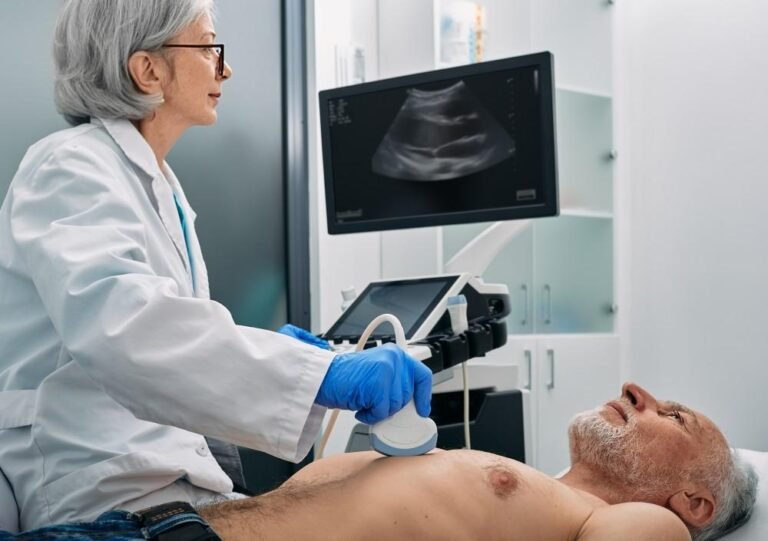
Monitoring the progress of breast size, tenderness, and general comfort can be used to assess the efficacy of self-treatment of gynecomastia. The progressive show of appearance and mild symptoms are characteristic of regular habits and supportive approaches. Sudden growth, persistent pain, discharge by the nipple, or asymmetry are reasons to have a medical assessment done. Follow-up visits with a physician regularly with imaging when it is necessary, will help in early detection of underlying conditions and the safety and efficacy of self-care.
Conclusion
Gynecomastia may have a great influence on physical comfort and psychological health but measures of self-care are critical in controlling symptoms in the long-term. Mild and moderate cases could be managed with the help of lifestyle changes, physical activities, changes in diet, supportive clothing, and knowledge of drugs and substances. It is imperative that regular monitoring and medical follow-up are conducted in order to detect underlying causes or red flags. In some cases that are persistent or severe, a pharmacological or a surgical intervention which is guided by the medical practitioners, might be required to ensure the best results are achieved. You can visit Xendo health to explore more about men’s healthcare and related issues.
FAQs
Can gynecomastia resolve with self-care alone?
Gynecomastia is mild to moderate especially in the event of puberty or weight gain, which is associated with lifestyle changes, exercise, and diet changes. Lasting or acute ones can raise the concern of consultation.
How long does it take to see results from self-care measures?
It will usually require several months of weight management, exercise and diet changes before noticeable improvement is seen. The outcome will be different according to age, hormonal equilibrium, and the type of tissue.
Are compression garments effective for gynecomastia?
Chest appearance, comfort and decreased visibility of breast tissue in daily activities can be enhanced with compression garments, however, it does not decrease glandular tissue.
When does gynecomastia require professional medical attention?
Medical assessment should be considered in the case of rapid breast expansion, chronic pain, discharge of the nipple, asymmetry, or in case self-care treatment does not help to relieve the symptoms.
Can medications or substances worsen gynecomastia?
Some drugs, such as anabolic steroids, alcohol, and recreational drugs, may alter hormonal balance and deteriorate gynecomastia. Effective management of medications requires making a review with a physician.