Dietary alteration is a significant component of acute flare-ups, as well as long-term remission. The type of diet may promote or inhibit the recurrence of active inflammation, and in this stage, food may be harmful, exacerbating pain, or slowing the healing process, or the dietary habits used between episodes may predispose an individual to recurrence. Proper nutrition management can, therefore, lower the severity of the symptoms, aid in the healing of the colon, and enhance the overall digestive ability.
Dietary advice given by the NHS offers an evidence-based strategy of managing diverticulitis in a safe and effective manner. Patients can make informed choices about the foods they need to consume to improve inflammation and the timing of adjusting the fibre intake, which can be made in accordance with the clinical best practice. This article discusses Diverticulitis: 7 Foods to avoid NHS, which presents a well-understood, medically-based information to prevent colon disease and reduce the occurrence of flare-up in the future.
Why Certain Foods Trigger Diverticulitis Symptoms
Some foods may make the symptoms of diverticulitis more severe because they raise bowel pressure and/or change stool consistency and/or promote inflammation in the intestines. Low fibre diets can cause hard stools and constipation, which increase the pressure and irritation of existing diverticula in the colon. On the other hand, in acute inflammation, poorly digestible food may increase pain and bloating by increasing bowel strain.
Increased gut motility and complex, high fat, or sugary foods can also lead to low-grade inflammation and may be a factor in increasing the risk of infections. Dietary guidance provided by the hospital NHS helps with the preventive measures of symptom-inducing types of food and organized dietary adaptations to eliminate inflammation, lessen the bowel burden, and aid the healing process.
7 Foods to Avoid With Diverticulitis NHS
One of the most important interventions in managing diverticulitis lies in dietary management especially at the stage of acute exacerbation of the condition when the colon is inflamed and prone to damage. Some foods may exacerbate symptoms by causing bowel irritation, facilitating inflammation, or disrupting normal digestion. It is recommended to follow NHS-prescribed dietary advice to reduce pain and aid in recovery by taking the pressure off the digestive system.
The next 7 Foods to Avoid With Diverticulitis NHS, are determined on the clinical knowledge of gut physiology and triggering symptoms, and it provides effective information on safer foods in management and recovery. By avoiding these foods you can maintain your health.
Red and Processed Meats
Saturated fat is high in red and processed meats and it may cause inflammation in the colon. Bacon, sausages and red meat are more difficult to digest and can become more bowel pressuring during a flare-up of DU. This secondary tension may aggravate stomach pain and bloating. NHS dietary advice prohibits the use of these foods in abundance because the frequent use of these foods has been associated with an increased probability of inflammation and digestive related problems in prone patients.
Refined Grains and White Bread
White bread and refined grains contain little dietary fibre, which is necessary for keeping the bowel movements healthy. The inadequate fibre consumption may cause constipation and high pressure in the colon worsening the diverticula. Bowel motility may also be poor hence increasing bloating and discomfort during exacerbation. The NHS recommends that the intake of refined carbohydrates should be minimized, and the intake of fibre-rich products should be gradually restored to ensure the maintenance of stool consistency and negative bowel impact.
Fried and Fatty Foods
Fried and fatty foods are not easily digested, and they may slow down the emptying of the stomach, placing an extra burden on the digestive system. This decreased digester can enhance bloating, cramping, and stomach pain in case of an exacerbation of diverticulitis. Fatty foods also have the effect of precipitating inflammation and interfering with the normal bowel processes. Dietary advice provided by the NHS suggests a limited number of fried foods, takeaways, and high-fat snacks to decrease the severity of symptoms and help heal the colon.
Spicy Foods
Hot foods can cause irritation to the intestinal lining especially in case of active diverticulitis whereby the colon is inflamed. Chilli, hot peppers and strong spices are ingredients that exacerbate the abdominal pains, bloating and bowel urgency in sensitive individuals. Although there is tolerance variability, NHS dietary therapies suggest the avoidance of foods that cause discomfort during flare-ups. Lessening mucosal irritation aids in alleviating and assisting in healing the impacted bowel tissue.
Dairy Products (During Acute Flares)
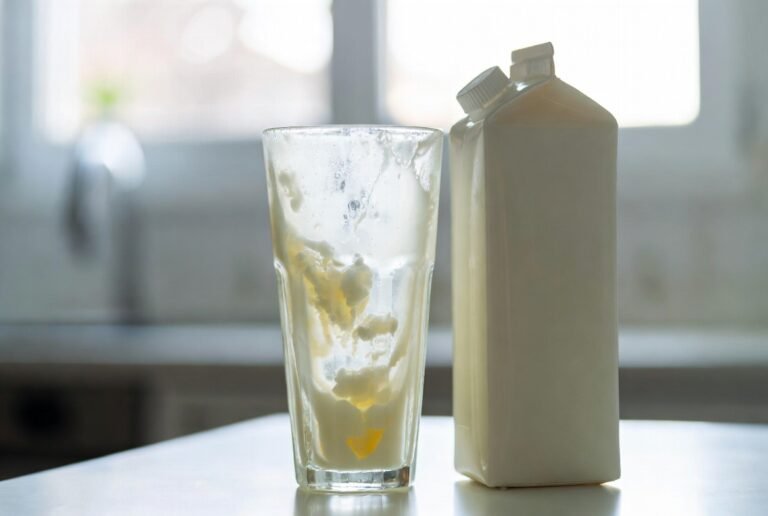
The effect of dairy products may aggravate the severity of bloating and stomach pain, particularly among those who are lactose intolerant during the acute episodes of diverticulitis. Milk, cheese and cream are more difficult to digest and can aggravate such symptoms as gas, cramping, and diarrhea. NHS directions suggest that dairy should be limited or avoided in the case of active inflammation. Plant-based alternatives like lactose-free milk or lactose-free products are also available and can help to relieve the symptoms and recover without exacerbating the colon.
Sugary Foods and Sweets
Sweetened food and desserts are also found to harm gut health by changing the proportion of intestinal bacteria, which can cause colon inflammation. Sugar may also cause excess which may then lead to bloating, diarrhea and aggravation of the diverticulitis. One of the recommendations of the NHS is to avoid cakes, pastries, candies, and sweet beverages during flare-ups. Substituting with low-sugar options and concentrating on nutrient food can help to decrease inflammation, aid good digestion, and heal the colon.
Alcohol and Caffeinated Beverages
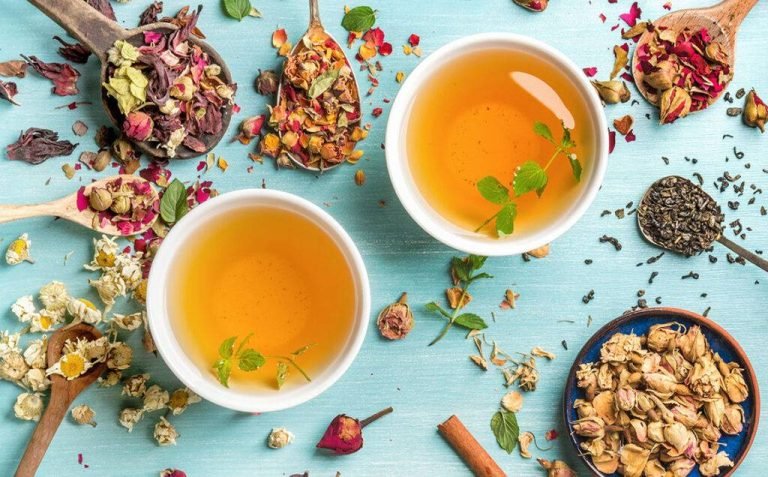
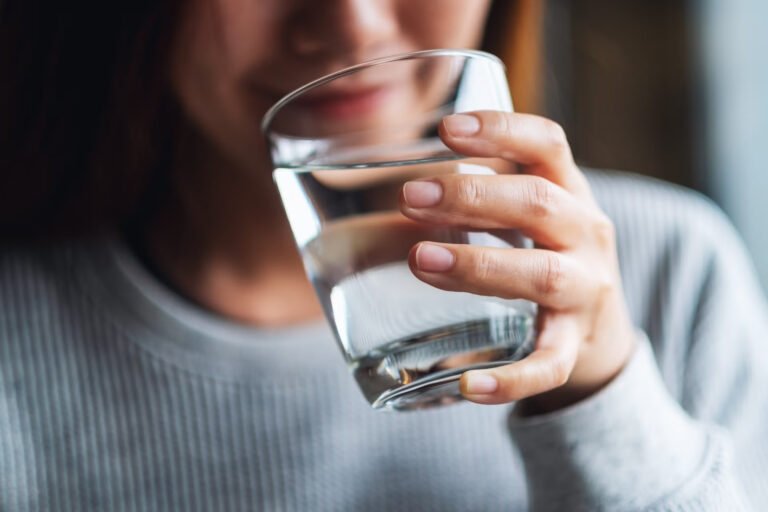
Alcohol and caffeinated drinks have the potential to irritate the gastrointestinal tract and predispose to diverticulitis symptoms becoming worse due to dehydration. Alcohol can cause inflammation of the colon and interfere with gut motility, whereas caffeine can stimulate bowel movements and result in cramping or urgency. With flare-ups, NHS advice is to restrict or avoid alcohol, coffee, energy drinks, and other caffeinated beverages. Remaining hydrated by drinking water or drinking herbal teas aids bowel movement and alleviates symptoms.
Foods Commonly Questioned by Patients (Seeds, Nuts, Popcorn)
It has been assumed that diverticulitis is triggered by the lodgement of seeds, nuts, and popcorn in diverticula, but recent NHS advice and clinical evidence contradict this idea. Research shows that such food items do not cause risk of inflammation and complications in the majority of patients. Although there are some people who might find it bloating or uncomfortable, seeds and nuts can usually be added to a balanced diet. Popcorn also has to be consumed sparingly and well chewed. This new attitude gives patients assurance that even the stringent avoidance is not always necessary.
What the NHS Recommends Instead
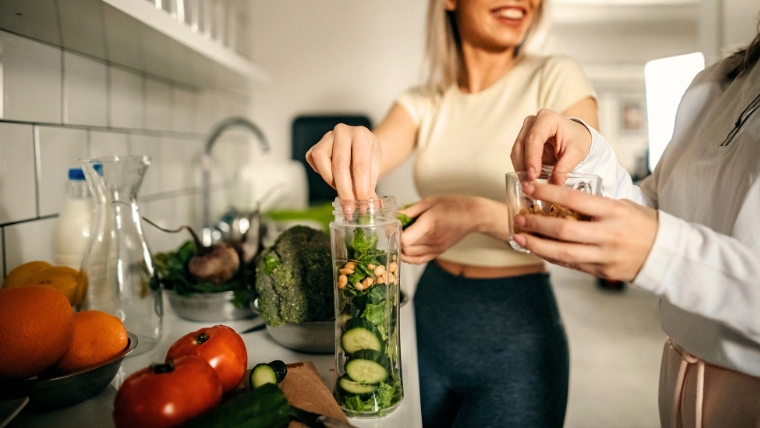
It has been suggested by the NHS that, after a flare-up, to transition from a low-fibre diet gradually to a high-fibre diet to maintain bowel health and prevent recurrence. Adequate fluids are required to facilitate the passage of stool. This can be done by adding fruits and vegetables, whole grains to keep the bowels regularly moving, lowering pressure in the colon, and staying digestively healthy in the long term.
When Dietary Advice Should Be Individualised
The dietary recommendations on diverticulitis need to be specially constructed to suit patients with frequent cases or other underlying disorders like IBS or lactose intolerance. One-to-one advice by a GP or a registered dietitian can provide safe dieting, symptom control, and avoid complications to provide the patient with knowledgeable decisions about food, which leads to the long-term health of the colon. Healthy lifestyle habits always ensure your health for the long-term.
Conclusion
The effective management of diverticulitis consists of the avoidance of the food that can aggravate symptoms and promote inflammation. The seven foods to avoid with diverticulitis, according to the NHS are red and processed meat, refined grain, fried and fatty food, spicy food, dairy during flare ups, sweetened food and alcohol or caffeinated beverages.
Adherence to the dietary guidance in the NHS, hydration, GP or dietitian consultation can prevent flare ups, aid in recovery, and promote long term colon health. You may visit Xendo Health to get more tips to maintain your overall health and get informed on foods that are healthy for you.
Frequently Asked Questions (FAQs) About Foods to Avoid With Diverticulitis
How long should I avoid the seven foods during a diverticulitis flare up?
Such foods are not to be taken during an acute flare up until the patient is symptom-free. Certain foods may be introduced after a period of rest, and during this time, the individual may restart the food.
Are these seven foods permanently off limits?
Not necessarily. Some foods that patients should reintroduce in moderation after recovery can be used by many patients depending on their tolerance.
Can eating these foods cause diverticulitis for the first time?
No particular food can cause diverticulitis. Low consumption of fibre, obesity and lifestyle factors contribute to the elevation of the risk and not the incidental consumption of such foods.
Are nuts, seeds, and popcorn safe to eat?
As new NHS guidelines state, most people do not have flare ups caused by seeds and nuts. It is advised to chew moderately and extensively.
What foods does the NHS recommend instead?
Fibre rich foods like fruits, vegetables, whole grains and legumes in combination with proper hydration will be beneficial in maintaining bowel health and perhaps prevent relapse in the future.