Do you want to find a natural way to keep your hair and skin fresh? PRP (Platelet Rich Plasma) may be the solution you have been looking for. It is a non-surgical treatment that allows your body to heal itself, producing hair and even skin with a youthful, smooth appearance. PRP is transforming the aesthetic treatments industry, as it is able to increase the density of hair to decrease fine lines and wrinkles, among other things. Learn how this easy but effective cure can achieve beautiful, lasting effects with minimum side effects and all natural solutions to people who want naturally healthier hair and skin.
An Overview of PRP Therapy
PRP (Platelet-Rich Plasma) therapy is done by drawing a little bit of the blood of the patient’s blood, which is later manipulated to increase the concentration of platelets, consisting of growth factors. The blood is collected, centrifuged and rotated at a high speed in order to separate the plasma, red and white blood cells. The platelet-rich plasma thus formed is then injected into the areas targeted to be treated. The process speeds up hair follicle regeneration, lowers wrinkles and also enhances skin texture and is thus a good choice in aesthetic surgery.
Benefits of PRP for Hair Renewal
PRP (Platelet Rich Plasma) therapy has become a revolutionary option in the treatment of hair growth and particularly for those with androgenic alopecia or pattern baldness. The therapy entails the utilization of your own blood in order to mobilize the power of growth factors present in platelets. These growth factors activate the hair follicles and wake up the dormant ones triggering hair growth.
Consequently, PRP is applicable in the restoration of the hair in thinning or balding areas through induction of the natural hair growth cycle. A healthy lifestyle is necessary to prevent hair thinning and promote natural hair growth.
Improved Hair Thickness and Density
PRP also improves the hair density by stimulating the hair follicles with a rich source of growth factors. The plasma, when sprayed into the scalp, enhances collagen synthesis, reinforces the already existing hair, and encourages more strands to grow bigger and stronger. In the long run, patients who have PRP treatment report having volumized and fuller hair. It is also a healthy process that will help to promote the general health of the scalp as it will increase blood flow to the follicles so that it provides a healthier place wherein the hair grows.
Non-invasive Alternative
PRP is non-invasive as opposed to the hair transplants that have some surgical implications and pose little or no discomfort and scarring. It is a viable variant when the effectiveness of hair restoration, risks and recovery of the old methods of transplants are required. Moreover, medications such as minoxidil and finasteride can be ineffective or lead to undesirable side effects. PRP has a natural and safer solution for the health and wellness routine of women with long-lasting effects.
Long-Term Results and Minimal Downtime
PRP hair rejuvenation is associated with low downtime. This is a relatively fast process that normally lasts approximately 30 minutes and the majority of patients are able to resume normal functions immediately after. There is also no need for prolonged recovery or absence, as in other hair restoration treatment methods. Regarding the effects in the long-run, the effects of PRP treatment are usually realized after 3-6 months and continue to improve over the years.
Follow-up after every 4-6 months is prescribed to ensure the best outcomes. Using PRP regularly, one can maintain the growth of hair, which has benefits that are more long-lasting and healthier, and the scalp is fuller.
How PRP Treatment is Performed
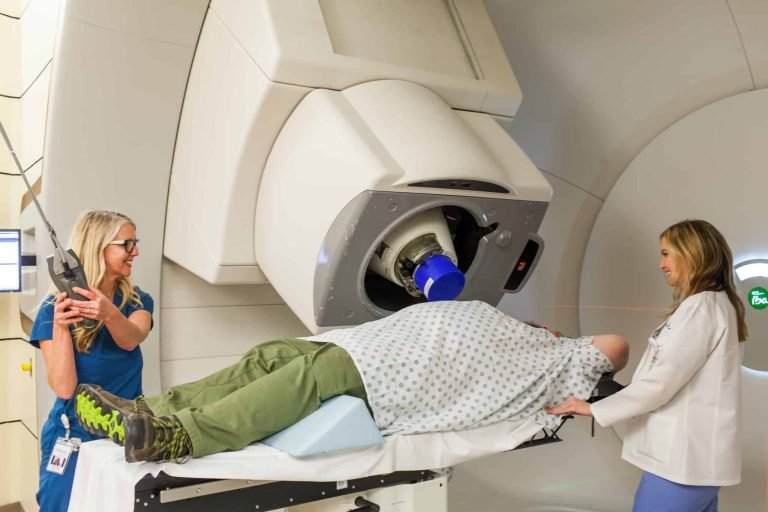
PRP treatment starts with the blood draw, usually from the patient’s arm. The blood is later put into a centrifuging machine, which spins it to form concentrated blood that is then separated into platelets and the red as well as white blood cells. The PRP is subsequently injected into the specific region e.g. the head to grow hair or into the skin on the face to make it look younger. The sessions take approximately 30-60 minutes, and the treatments are usually separated by 4-6 weeks.
Minimal downtimes are set after the treatment, and patients are capable of going back to normal activities. Minor swelling or redness can take place but the side effects are usually very few and disappear soon.
Who Should Consider PRP Treatment?
PRP therapy suits well in patients with receding hair or in the initial phases of hair loss, especially those with androgenic alopecia (pattern baldness). It can also be used by individuals who want to improve the texture of the skin, treat fine lines, acne scars and overall skin rejuvenation. Nevertheless, PRP does not apply to patients with specific medical issues, including blood disorders (e.g., platelet dysfunction, anemia), skin issues (i.e. active acne or eczema) or a keloid scarring history. You should discuss PRP with a healthcare professional to see whether it is the appropriate solution to your problem.
Results and Expectations
PRP therapy normally results within 3-6 months, where the recovery of hair or skin rejuvenation takes time. In hair restoration, patients usually experience growth of the hair that is thick and better in density with the full effect showing after a series of treatments. In the case of skin, the skin texture will improve, wrinkles will be minimized, and the skin tone will be improved after several weeks.
PRP yields substantial outcomes on its own, but adding it to intervention methods, such as microneedling or dermal fillers, can lead to superior outcomes, notably when used on the skin to improve its condition. This duo enhances collagen and speeds up the recovery process, which offers more all-inclusive and long-lasting results to the hair and the skin. With proper nutrition and diet, results can be long lasting.
PRP vs. Other Hair and Skin Treatments
PRP is a natural solution to hair loss, which is non-invasive, does not use oral medication, topicals, or hair transplants. PRP is safe and effective because unlike other drugs such as minoxidil, it uses your own blood. PRP does not involve any form of surgery or downtime as compared to the hair transplant. PRP can be considered as a natural alternative to other methods such as laser therapy, chemical peels, or Botox, which may be more risky and/or have extended recovery. PRP will be cheaper than hair transplants or laser procedures, but a less expensive, but effective, option for both hair and skin.
Conclusion
PRP therapy is a natural and effective remedy for hair loss as well as skin rejuvenation. It activates the growth of hair, increases the thickness of hair and skin texture through increased production of collagen. PRP is a safe method when compared to more invasive procedures because it involves minimal downtime and long-term outcomes.
To be able to recommend the PRP to you, take a personalized approach to it and follow a personal treatment plan that suits personal needs, and to do it, a professional needs to be consulted. Turn on to the advantages of this non-surgical and state-of-the-art treatment. Visit Xendo Health to explore more skin treatments.
FAQs About PRP Treatment
How is PRP therapy performed?
PRP (Platelet Rich Plasma) therapy is a non-surgical therapy that involves the use of your own blood to stimulate hair growth and skin rejuvenation. Blood is used, extracted and made to contain platelets and then injected into the areas of need to cause platelet growth, collagen and tissue formation.
How soon can I expect visible results from PRP treatment?
PRP treatment results are usually seen after 3 to 6 months and the treatment improves with time. In hair growth, hair will become thicker and in the case of skin rejuvenation, the skin texture and shade will eventually improve.
Is PRP treatment painful?
PRP therapy is not very painful, although certain discomfort can be experienced during blood collection and injections. Topical numbing creams are mostly applied to make the procedure more comfortable for most patients.
How often should I undergo PRP treatments for hair loss?
Normally, it is recommended to have 3 to 4 PRP sessions with intervals of 4 to 6 weeks between the sessions. Following the first series, it is possible to propose maintenance every 6 months to maintain the results.
Are there any adverse reactions associated with PRP treatment?
The side effects are also very few though some patients might experience temporary reddening, swelling, and mild discomfort at the point of injection. These effects are normally resolved in a few hours to days. PRP involves the use of your own blood, making the chances of allergic reactions very low.