Do you feel unenergetic or are you not able to be active during the day? A plant-based diet (PBD) may be the solution to increase your energy and health. When you pay attention to such foods as fruits, vegetables, whole grains, legumes, nuts, and seeds, you supply your body with the necessary nutrients. The foods are also rich in vitamins, minerals and antioxidants that help to boost energy production and reduce fatigue. It is important to have a healthy active lifestyle, which involves maintaining high energy levels. A plant-based diet not only helps to sustain your energy, but it also improves mood, mental acuity, and health in the long-run.
Understanding the PBD Diet
Plant-Based Diet (PBD) is a diet based mostly on vegetable foods, such as fruits, vegetables, legumes, nuts, seeds, and whole grains. The diet does not or limits the consumption of animal products and focuses on nutrient-dense, whole, minimally processed foods. When you are using a mixture of plant-based foods, it is possible to ensure a balanced intake of all the necessary vitamins and minerals.
A PBD is well endowed with antioxidants, vitamins and minerals that help in countering fatigue and enhancing energy levels. These nutrients are very abundant and help in increasing stamina and health. B vitamins, iron, magnesium, and healthy fats are the main nutrients in a PBD that are essential in energy production and sustain high levels of vitality all day everywhere.
Essential PBD Tips to Boost Your Energy
Plant-Based Diet (PBD) is a potent method of allowing you to boost your energy levels and vitality in a natural manner. With the inclusion of plant-based foods that contain nutrient-dense foods, you will be able to nourish your body with the appropriate proportion of vitamins and minerals and healthy fats. The following are the key guidelines that will assist you in maximizing your PBD to gain energy and give long-term energy.
Tip 1: Focus on Whole Foods
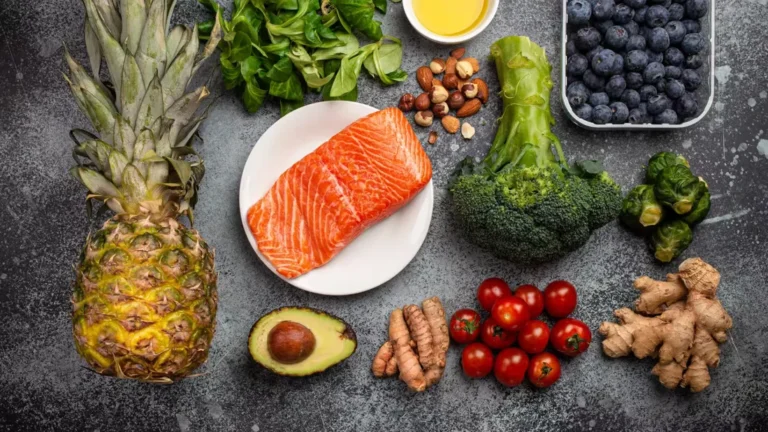
In order to get the most out of your energy, it is highly important to focus on whole and unprocessed plant foods. These are foods that are loaded with vital nutrients that naturally give your body the energy it needs to get you going throughout the day. Some examples of energizers are lentils, quinoa, and leafy greens as well as avocados. These foods contain high amounts of complex carbohydrates, fiber, and healthy fats that give a stable supply of energy and do not lead to spikes and crashes.
Tip 2: Balance Your Macronutrients
Balancing carbohydrates, proteins and healthy fats is a major factor in the sustenance of energy levels. Carbs are easy to provide energy, protein promotes muscle recovery and endurance, and healthy fats are slow burning. A balanced diet might comprise a salad of chickpea and olive oil, greens, and a side of whole grain such as brown rice or quinoa. Such a mix will leave you full and vigorous through the hours.
Tip 3: Stay Hydrated
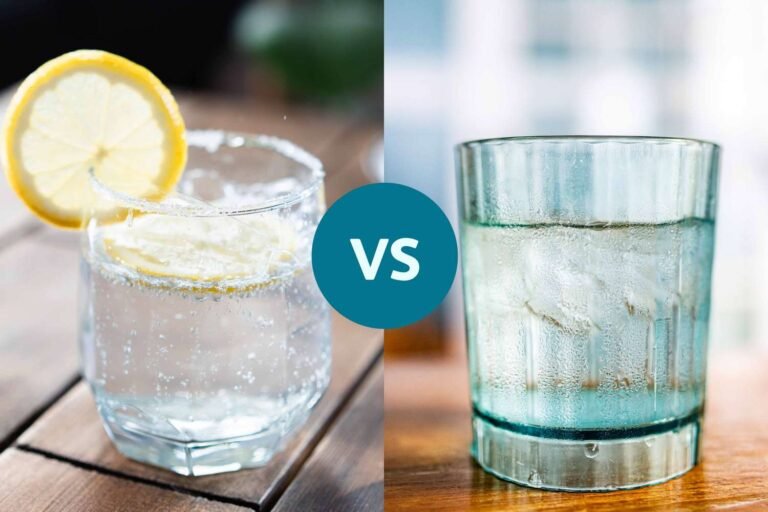
The energy metabolism requires enough hydration. Dehydration will give rise to fatigue and sluggishness and hence one should drink an adequate amount of water during the day. A good number of vegetarian foods also help to keep one hydrated. Foods such as cucumbers, watermelon, and leafy greens are hydrating foods and can increase your fluid intake, in addition to other nutrients to help maintain energy levels.
Tip 4: Include Iron and Vitamin B12-Rich Foods
Iron and Vitamin B12 are necessary in energy production as they are the ones that aid in carrying oxygen and also aid in the formation of red blood cells. Plant sources of B12 are not that abundant, so fortified cereals or plant-based milks should be considered. In the case of iron, emphasize legumes, spinach and fortified grains. A combination of them with Vitamin C-rich foods, such as bell peppers or citrus, can supplement absorption of iron, and will keep you full of energy.
Common Mistakes to Avoid in a PBD for Vitality
To balance the work-life on a Plant-Based Diet (PBD), one should be careful not to make the same mistakes. Even though PBDs have many health advantages, it is necessary to know some of the errors that can impair energy levels. These are some of the usual errors to be avoided in the quest to be more vital and maintain energy.
Mistake 1: Not Getting Enough Protein
One of the misconceptions is that a Plant-Based Diet is low in protein. Nevertheless, beans, tofu, tempeh, lentils, and quinoa are some of the many plant-based foods that are high in protein. Various such protein-rich foods will be ensured to sustain the body’s energy and muscle activity.
Mistake 2: Skipping Balanced Meals
Energy crashes and nutrient deficiencies could be caused by skipping meals or having an unbalanced diet. Regular and balanced meals should be consumed to ensure constant energy levels are maintained throughout the day. Eat a combination of carbohydrates, protein, and healthy fats with every meal to make the body generally feel better.
Mistake 3: Ignoring Essential Supplements
Although a PBD has numerous advantages, certain vitamins such as Vitamin B12, Vitamin D and omega-3 fatty acids might have to be obtained exogenously, particularly in a vegan diet. B12 supplements can help keep you energetic and avoid deficiencies, therefore, make sure to have them as part of your routine.
Conclusion
Plant-Based Diet helps boost your energy and vitality and ensures good health as it supplies your body with the necessary nutrients and makes energy sustainable. With conscious decisions and the inclusion of more vegetables as plants, you will feel the long-term effects. The positive change can already be noted by adding more plant-based options to your meals today. You can also comment on what you have done with PBD or what your favorite plant-based meals are. Visit Xendo Health and get more tips an guidelines to maintain your overall health.
FAQs About PBD Diet
What is a Plant-Based Diet (PBD)?
A Plant-Based Diet is based on the use of plant-based foods, including fruits, vegetables, whole grains, legumes, nuts and seeds. It reduces or eradicates animal products to offer vital nutrients that guarantee health, vitality, and energy.
Is a Vegan Diet enough in protein?
Yes, most vegetarian foods are high in protein. Examples of these are beans, lentils, tofu, tempeh, quinoa and edamame. Through a balanced diet, you will find it very easy to satisfy your protein consumption requirements by consuming plants.
What is the effect of a Plant-Based Diet on increasing energy?
Plant- Based Diet is rich in vitamins, minerals, antioxidants, and good fats, which promote energy production, decrease inflammation, and increase stamina. It assists in the regulation of the sugar level, which gives a stable and continuous power supply during the day.
Should I be taking supplements on a Plant-Based Diet?
Although a Plant-Based Diet has numerous nutrients, certain ones such as Vitamin B12, Vitamin D and omega-3 fatty acids might need supplementation. It is imperative to keep track of the nutrient intake and carry supplements where necessary to make sure you are acquiring all the vitamins.