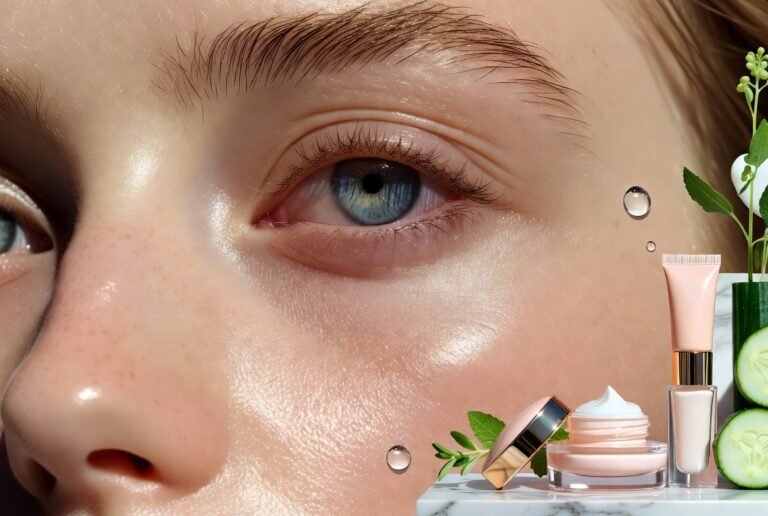
People of all ages often suffer from acne on their cheeks, and breakouts frequently occur on the forehead, nose, and chin. Contrary to popular belief, acne on the cheeks can be a big problem because it does not respond as readily to treatment. Knowing what acne on cheeks means, the causes leading to cheek acne, and how to treat it will allow you to achieve the clearest, healthiest skin possible, as well as improve your health and wellness.
Discussing the Major Causes of Acne on Cheeks
Many potential factors could lead to the development of acne on the cheeks, including external influences such as make-up and grease from unclean brushes, hormones, and an internal or health-related issue. Understanding the cause of the development of acne on your cheeks will allow you to successfully treat the cause of cheek acne effectively.
Poor Skincare Habits
Not cleaning your skin properly or using inappropriate skin-care products may cause clogged pores, resulting in breakouts and acne on cheeks. Also, using heavy, oily products will leave a residue on the cheeks, where acne-causing bacteria thrive. It is also important to maintain a regular skin care routine to adopt healthy lifestyle habits.
Dirty Pillowcases and Phone Screens
Our cheeks come in contact with pillows and cell phones. Pillow cases can become dirty from sweat, oil, and bacteria that transfer to your face as you lie down and cause acne on cheeks. The continuous pressure and friction from having the phone touch your cheek can irritate the skin and create an outbreak.
Hormonal Imbalances
The presence of acne on cheeks is directly related to fluctuations in hormones. Hormones experience fluctuations at specified times, such as during instances of puberty, during monthly menstrual cycles, and while experiencing high levels of stress.
There are increased levels of oil production from across the body. The cheek region tends to demonstrate this more than most other parts of the body, as it is subject to extreme reaction concerning fluctuations that ultimately affect both men’s and women’s health. In some cases, babies and infants also face baby acne on cheeks after birth, in the early stages of life. It is due to the hormonal changes occurring in them, but you need not worry, as this acne on cheeks is temporary and resolves on its own.
Bacterial and Fungal Growth
The cheek area is subject to the presence of many sources and high amounts of sweat and environmental pollutants. Cheeks are an area where there is a significant amount of both bacterial and fungal growth in excess of what would naturally exist. The excess bacteria and fungal acne on cheeks will often create an inflammatory response, such as redness or tenderness in the area, which results in the formation of an acne lesion on the cheeks.
Diet and Lifestyle
Diet has the potential to alter your skin’s natural barrier. High sugar, low fruit/vegetable and processed food diets can be linked to increased risk of developing acne on cheeks. Therefore, natural whole food sources can promote healthy skin.
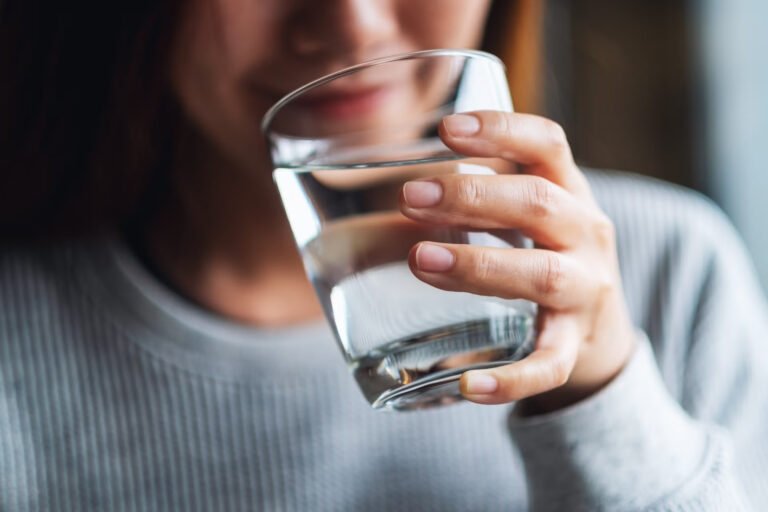
In addition to diet, drinking enough water, getting adequate amounts of sleep, and managing your stress levels (all three of which affect how well you manage your mental health) are also contributing factors to developing acne on cheeks.
Treating Acne on Cheeks
Treatment of acne on cheeks is possible by choosing an appropriate treatment method for yourself. There are three main ways to treat acne on cheeks. These are having the right skincare routine, making lifestyle changes, and seeing a doctor. These treatment options are discussed below:
Cleanse Gently but Effectively
To remove dirt, oil, and other impurities from your cheeks, use a mild facial cleanser 2 times per day. Do not use harsh scrubs, as these can irritate the skin and create more acne on cheeks. When washing off your face use your fingers in a gentle circular motion is good. While maintaining your daily fitness and exercise regimen, you should cleanse your face properly after exercising, as excessive sweat can clog the pores, leading to formation of blackheads and whiteheads.
Maintain Clean Surfaces
To avoid transferring bacteria from surfaces to your skin, use clean pillowcases at least every other day and regularly clean or wipe off your cellphone. Using clean towels and headbands when wearing workout gear will also reduce or limit the amount of irritation on your face from workout perspiration.
Use Non-Comedogenic Products
You should use skincare and makeup products that are marked non-comedogenic. This designation means these products have been formulated so that they will not clog your pores. Lightweight moisturizers and oil-free foundations will help to maintain the normal balance of your skin and will assist in preventing the formation of acne on your cheeks.
Use Targeted Treatments
Use topical treatments containing ingredients such as salicylic acid, benzoyl peroxide, and niacinamide to help reduce inflammation and decrease the likelihood of developing more breakouts. Apply these topical solutions directly to the affected areas as directed to see gradual improvement over time due to the efficacy of these products. If your acne continues to be a problem, consult with a dermatologist who can assist you with a proper acne treatment and help you treat your skin overall.
Practice Healthy Living
Eat a balanced diet rich in fruits, vegetables, and whole grains for good skin health, drink plenty of water to keep your skin hydrated, and assist in flushing out toxins. Sleep sufficiently and manage your stress by exercising or finding other means of relieving your stress levels, which reduces many acne flare-ups when stress is present.
Seek Professional Help When Needed
If you are having continuous or extreme acne issues on your cheeks, ask for expert help to resolve your skin condition. There are some prescribed medications, such as tretinoin, antibiotics, and hormonal treatments. These will resolve your problem much quicker and more effectively, rather than relying on those over-the-counter medications for your skin care.
Preventing Acne on Cheeks
Cheek acne can be prevented through a combination of consistently following a proper skincare regimen. It includes not touching your face (to avoid spreading bacteria) and regularly cleaning items used on or near your skin.
Furthermore, maintaining healthy lifestyle behaviors, such as empahsizing on nutrition and diet by eating nutritious foods, keeping your stress in check, being active, and making healthy lifestyle choices, will help prevent acne on cheeks and support overall health.
Final Thoughts
Dealing with acne on the cheeks may not be easy, but it is certainly not impossible. You can avoid it by learning about it on the grounds of the reasons it occurs, poor skincare habits, hormone level changes, and lifestyle changes. You can easily clear your skin by making appropriate changes to your lifestyle and establishing a healthy skincare routine. If you are looking for simple and effective skincare routines, you can refer to Xendo Health, where you can find a source that can provide the most accurate information on health-related blogs.
Frequently Asked Questions (FAQs) About Acne on Cheeks
What are the reasons that cause acne on my cheeks?
The skin being oily, blocked pores, and forgetting to wash your pillowcases can cause you to have cheek acne. The other factors include hormonal fluctuations and bacteria on the face that can contribute to the development of facial acne.
What prevents acne from forming on my cheeks?
Good skin care habits, regular cleaning of your phone, and regular washing of pillowcases are also good ways to ensure that your skin remains clear of any acne. Non-comedogenic products and healthy habits will also ensure that you do not develop acne on your cheeks.
How often do I need to wash my pillowcases?
It is best to wash your pillowcases at least 2 times a week to minimize bacteria and oil buildup on pillowcases that can lead to cheek acne.
When should a dermatologist be contacted for cheek acne?
You should consider visiting a dermatologist if your cheek acne persists, is severe, or is accompanied by pain, as they may prescribe you medication such as retinoids or hormonal therapy to help with treatment.
Are hormones responsible for having acne on the cheeks?
Yes, it is possible to have cheek acne due to hormones. There are times when the body experiences hormonal changes, like during puberty, menstrual cycles, or due to stress, which can cause an increase in oil production that can lead to blackheads and breakouts on the cheeks.
Is diet the reason for cheek acne?
Yes, most definitely. A diet rich in processed foods such as dairy and sugars is certainly going to cause breakouts around the cheeks. Fruits, vegetables, and whole grains will definitely help in maintaining healthy skin.