Sometimes anxiety can present more than just the racing thoughts. It can lead to a serious condition known as Generalized Anxiety Disorder (GAD). If you have GAD, you might feel like you are always anxious and absent-minded. Feeling anxious all the time without knowing the exact reason for it. It might be a frustrating experience, but it can be managed by developing appropriate coping methods, so you can take back control of your life and improve both your health and stability overall.
What is Generalized Anxiety Disorder (GAD)
Generalized Anxiety Disorder (GAD) impacts your daily functioning more than racing thoughts. The individual finds it hard to control or stop worrying and experiences problems with concentration, sleep, and decision-making. Relationships, work performance, and overall health are all impacted by this anxiety. There are also many physical symptoms experienced with Generalized Anxiety Disorder, such as fatigue, muscle tension, inability to be still, and jitteriness.
GAD is not just a mental health issue, it can affect your physical health, your relationships with other people, and your ability to be productive at work or school. Therefore, general anxiety disorder is also an important issue in the health and wellness concerns in general.
Recognizing Common Signs and Symptoms of GAD
Emotional symptoms of Generalized Anxiety Disorder may include continuous worry or anxiety, being irritable or anxious for no apparent reason, and having a feeling that something bad is going to happen. Headaches and difficulty falling asleep can be possible physical signs of GAD. Stomach problems such as diarrhea, constipation, or bloating can also occur.
Recognizing symptoms early helps to intervene earlier, thereby decreasing the severity of presentation and preventing long-term complications. It also decreases the risk of developing any associated medical complications.
Creating Lasting Stability with Positive Lifestyle Changes
To manage Generalized Anxiety Disorder, it is important to focus on minor, daily lifestyle changes. Lifestyle is essential in determining how the body and mind react to stress. When an individual utilizes healthy routines, he/she creates a foundation for emotional stability. These changes should not be significant. Even small changes over a long time could significantly reduce anxiety levels and develop healthy lifestyle habits. Basic structures, such as scheduling your meals at the same time daily and scheduling your daily activities, can help improve overall men’s and women’s health.
Sleep and Daily Routine
Good sleep helps your mind to clarify your thoughts and emotions. It plays a role in reducing stress and improving Generalized Anxiety Disorder symptoms. Regulation of sleep patterns also benefits in improving mental well-being by allowing the mind and body to relax.
Clinical Approaches That Promote Healing and Recovery
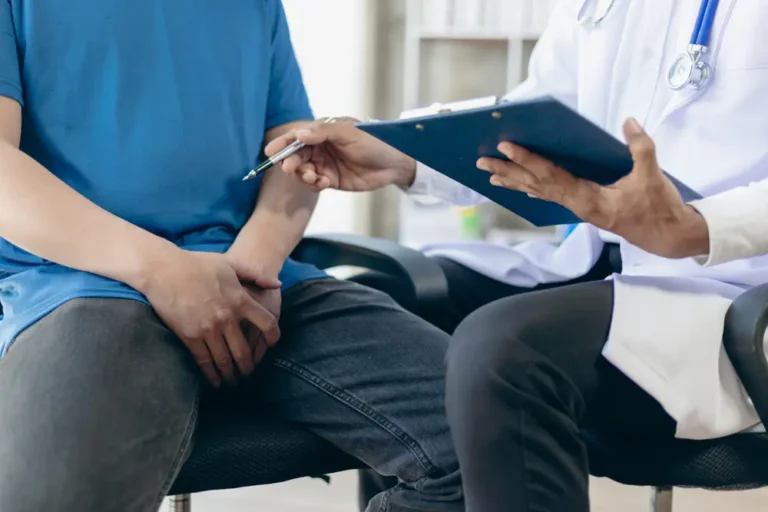
You can visit your physician to get help with Generalized Anxiety Disorder. He/She will help you to rule out the main reason for your anxiety and help manage it effectively. They will help you to identify, change, and better understand your thinking. This will provide the basis for managing the GAD symptoms. Some of the therapeutic measures are given below to manage Generalized Anxiety symptoms:
- Cognitive Behavioural Therapy (CBT): It is one of the most successful treatments for GAD. The focus of CBT is to identify negative ways of thinking about oneself and replace those with positive and realistic thoughts. This type of therapy helps an individual to identify irrational fears and develop healthier coping mechanisms.
- Mindfulness: It is a state of focusing with all of your attention on the present state of mind. It helps an individual to be more focused and to be present in the current situation. Mindfulness allows an individual to worry less about the future and focus more on the current situation. This practice of focusing on the now reduces excessive thought and increases one’s feeling of peace.
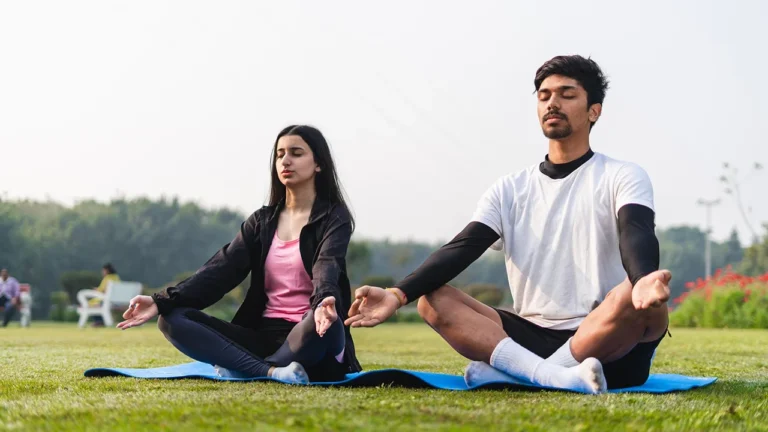
- Relaxation Techniques: These techniques help relax a person and improve their focus. The techniques that can be practiced include slow, deep breathing and meditation. These produce feelings of calmness through decreasing the levels of anxiety. These relaxation techniques are easy to learn and can be used anywhere. These techniques are very effective at dealing with day-to-day anxiety without special requirements, i.e., of setting or equipment.
Managing Anxiety Through Nutrition and Exercise
Making adjustments in diet and exercise can have an enormous impact on how we feel. Practicing effective nutrition and diet regimens provides an individual with both energy and the ability to handle emotional stressors. On the other hand, participating in regular fitness and exercise routines will help release endorphins that will naturally improve an individual’s mood and reduce feelings of anxiety.
Developing Consistent Healthy Habits
Small things, being practiced daily over time, will generally produce a better result than implementing large, drastic changes. Adding movement (exercise) and mindfulness, along with healthy food choices, into your daily life creates an overall foundation to support your mental health, while improving your body and mind.
Having a Reliable Support System Over Time
Anyone can have stress at any stage of life. Support from your family, friends, or other support systems will all contribute positively to getting through those tough times when dealing with Generalized Anxiety Disorder.
Being open with your close ones about what is going on in your life will lessen feelings of isolation. Talking about your anxiety with others who have shared similar experiences can also empower and lead to overcoming these overwhelming feelings.
When Professional Help is Needed
In some instances, you may require professional assistance for Generalized Anxiety Disorder. If you notice your anxiety has worsened or you experience more symptoms of it more often, you should seek medical assistance. It will help to reduce the progression of anxiety, and will help you manage anxiety in the long-term.
Conclusion
Generalized Anxiety Disorder can be serious if not treated promptly. By practicing healthy lifestyle habits, you can ensure healthy living while having GAD. Some lifestyle changes along with professional care can benefit in reducing Generalized Anxiety Disorder symptoms. You can visit Xendo Health‘s blogging page for more such related blogs. We provide our readers with genuine and verified health information.