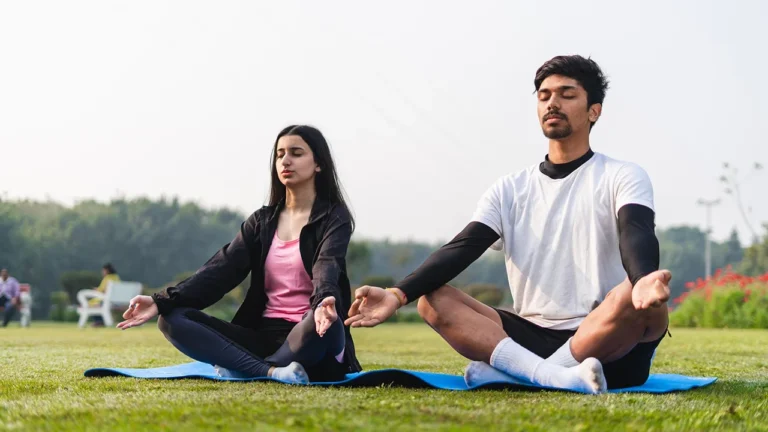
Feeling exhausted, confused, or becoming anxious even over the slight issues? Struggling to cope with normal stressors? Anxiety and stress might be impacting your well-being. Stress not only affects your mental health, but it also influences the state of emotional and physical well-being. Your mind and body both suffer. It is important yet essential to know how stress affects your body and mind and how to relieve stress effectively. It helps an individual to stay active, confident, and attentive while performing their activities of daily life. You can say, relieving stress is another way of improving the quality of life and promoting overall health and wellness.
Understanding Stress and Its Impact on the Body
Stress is a natural biological response to any alarming condition. It alerts the body and makes it suffer. The body under stress does not function properly. In severe cases, stress also impacts your vital organs and causes disruption in their functioning. For instance, excessive stress on the heart can lead to a heart attack, myocardial infraction where as increased stress on the mind can increase the chances of a stroke occurring. Increased stress can also result in general body aches or muscle tension. Hence, managing stress is important to avoid such health complications.
Usually, stress manifests itself in the form of headache, muscle tension, and a feeling of tiredness. The person may feel irritated or agitated and have trouble concentrating properly. When there is long-term stress, sleep patterns may be disrupted, and the immune system may be compromised. All these factors contribute to decreasing the overall quality of life.
A balanced approach to managing stress is necessary to re-establish balance in the body. Using natural methods of support to relieve stress and allow the body to heal is important in maintaining balance.
Recognizing Common Triggers of Stress
Identifying common stressors is helpful because it establishes a basis for reducing future experiences of stress. Most stressors are created within daily life through relational pressures, work demands, and unexpected events occurring within your life. Financial difficulties, a lack of sleep, and emotional situations can add to your level of stress.
Individuals have varying degrees of stress and, therefore, must determine their own triggers through awareness in order to have more control over their lives. It will help to develop coping strategies that will help reduce the effects of stress in their respective lives. This recognition of stressors will not only help an individaual itself, but it will also help support the overall family’s health by promoting a sense of understanding one another.
The Role of Lifestyle in Stress Relief
Stress management strategies and lifestyle choices are closely related to one another. Even the smallest changes in your daily routine can impact your overall health and way of living. Whether the change is negative or positive, it influences your overall wellness.
Individual who prioritize their healthy living develop greater capacities to cope with their stress. Small changes made regularly may have a lasting positive impact on your ability to think clearly and stay emotionally stable, and help create the foundation for healthy lifestyle habits.
The Power of Physical Activity
Exercise is one of the best natural ways to relieve stress. Physical activity stimulates your body to release endorphins, the neurochemicals. These brain chemicals produce the feeling of euphoria and a relaxed state of mind. It improves the feeling of well-being as well.
Gentle forms of regular fitness and exercise, such as walking, yoga, or gentle stretching, are some examples of relieving tension in your muscles and reducing stress.
In addition to promoting relaxation, exercising also helps with good sleep. It relieves the mind and body to relax completely and have a deep sleep. This impacts overall mental wellness, as by reeducing the stress on the mind or in the body. It makes an individual strong enough to overcome daily lifestyle challenges.
Mindfulness and Relaxation Techniques
To manage stress, it is necessary to create a focused and relaxed mind. Mindfulness practices help create an experience of being in the present moment and eliminate focusing on the past or future through worrying.
The purpose of creating moments of stillness,i.e., mindfulness, throughout the day allows the mind to use that moment to come back to its original state. This practice creates a greater awareness of surroundings and emotions. It also promotes balance between the body and soul and ultimately holistically improves women’s and men’s health.
Breathing and Meditation Practices
Breathing practicing ar one of the most effective natural remedies or method to how to relieve stress. These are effective for any age group of individuals. It promotes healthy breathing by improving the breathing patterns and relieving stress. Some of the breathing exercises are explained below:
- Deep Breathing Exercise: This exercise is carried out by deeply inhaling the air completely and allowing the chest to expand fully. Then exhale the air in the lungs slowly. It will help to improve SOB, shortness of breath that is common to occur whilr under stress or during an anxiety attack.
- Diaphragmatic Breathing Exercise: It is the most basic form of breathing exercise that encourages the involvement of the diaphragm muscle to function actively in breathing. You should keep one hand on the abdomen and the other on the chest, allowing the abdomen to rise and fall while breathing. You should engage the diaphragm to breathe for the rise and fall of the abdomen.
- Pursed-lip Breathing Exercise: This breathing exercise is good for anxiety and COPD patients, mostly. It helps with stress management, also. It can be performed by inhaling the air to the maximum lung capacity and then slowly exhaling it by pressing your lips against each other tightly (pursed lips). It lowers the breathing pace and allows the lungs to clear completely.
Effective Breathing Techniques
Below are some of the effective breathing techniques that are beneficial in managing stress and promoting relaxation. These techniques should be practiced on a regular basis to improve stress symptoms and enhance the quality of life. These techniques are:
- 4-7-8 Breathing Technique: This technique includes 4 seconds of air inhalation, holding for 7 seconds, and then exhaling the air out of the lungs for 8 seconds. This breathing technique faciliates the sleeps and improves anxiety.
- Box Breathing Technique: It includes the 4-4-4-4 method, Ihale for 4 seconds, hold for 4 secs, exhale for 4 secs and then take a rest of 4 seconds to start a new breathing cycle. This method helps improve focus while reducing stress.
- Nostril Breathing: This breathing technique is often used in yoga, Inhaling form one nostril and exhales from the other.
- Coherent Breathing Technique: It involves breathing at a rate of 5 to 6 breaths per minute. It means you inhale air 5 times, exhale it for the same number, 5, and vice versa.
Emptying your lungs slowly and steadily indicates to the body that you can begin to relax, which decreases the heart rate. Meditation helps reduce anxiety, improve concentration, and help manage stress.
The Importance of Nutrition and Rest
Having a well-balanced nutrition and diet plan, and getting enough restorative sleep are very important for managing stress. Healthy eating provides proper nourishment to our brains and helps keep our emotions in balance. Getting enough quality restorative sleep allows us to recover from our daily stressors as well as help us function optimally in our daily lives while preventing the onset and progression of chronic illness over the long term.
Building Healthy Daily Habits
Regularly eating meals, including whole foods that contain fruits and vegetables, can assist in controlling blood sugars and help to reduce mood swings. Caffeine should be limited to decrease anxiety and promote relaxation.
Sleep is another component needed for managing stress. Establishing a consistent sleep schedule will help you to improve both your physical and mental health. You can specify a well-designed sleeping environment for better sleep.
Social Connection and Emotional Support
Making connections with people we care about is a major stress reliever. Discussing your problems and issues with someone close allows your mind to relax and trust someone. It relieves tension and stress. You can spend time with your family and friends to alleviate worry and reduce your stress. Your members of kitha and kin will help support you through this rough journey of managing stress.
Finding Balance in Daily Life
Balancing your work with your daily life is important. Otherwise, you will burn out. Your work efficiency will be reduced, and you will not be able to complete your required tasks. You need to rest and recharge your battery to enhance focus.
You can participate in enjoyable things such as reading, listening to music, or enjoying nature. These activities can provide you with inner peace. Practicing such measures will help relieve the stress and improve the quality of life.
Conclusion
Stress can be relieved without medications effectively by practicing natural measures. The aforementioned stress coping strategies are professionally proven and often recommended by the people themselves. When one knows how to manage stress naturally, there’s no need for medications to relieve stress or anxiety. You can also get professional help and proper guidance for relieving stress without medications. Also, you can read more mental health blogs on Xendo Health to improve your lifestyle and support long-term well-being.