Do you feel anxious about simple daily tasks? Do you find yourself having a hard time calming down your racing mind and tense body when stress hits out of nowhere? You need to know that anxiety is common and you can deal with it with constant practice and healthy routines. You may find relief by trying simple techniques that work for your mind and body.
You should focus on the methods that will reduce tension, improve mood and create a balance in your life. You can learn to get back in control today, feel calmer and better able to deal with stressful situations.
Top 7 Effective Methods to Relieve Anxiety
The most important thing to do is manage anxiety so that you can feel calmer and be in better control of your life. You can easily manage to reduce stress naturally with the help of easy techniques every day. So you may see that even small changes can make a big difference in your mood and energy levels.
You need to find a combination of mental, physical and social approaches to help you cope better. These methods can be used together to develop a routine that suits you best. It is important to remember that regular practice can provide long-term relief and overall mental wellness benefits.
1. Practice Deep Breathing Exercises
You should begin with deep breathing to calm your mind when anxiety increases. You can inhale slowly up your nose, hold for a moment and exhale through your mouth. You may try taking a count of your breaths to keep you focused and in the present. You will need to practice for a few minutes every day to train your body to relax naturally.
You can do this anywhere – at work or home. You should combine deep breathing with positive thoughts to increase the effect. You can experience a decrease in tension and a calmer mind with constant practice.
2. Engage in Regular Physical Activity
You should get some exercise to release tension and improve your mood. You can walk, run, swim, or do yoga to exercise your body. You can experience that exercise enhances endorphins, which naturally combat anxiety. Two-thirds of the day should include at least 30 minutes. You can use cardio and strength training together to get better results. You must pick activities you like to make your efforts motivating. You can also use exercise as a healthy outlet for your mind and the release of the energy that you feel stress on a daily basis.
3. Try Mindfulness and Meditation
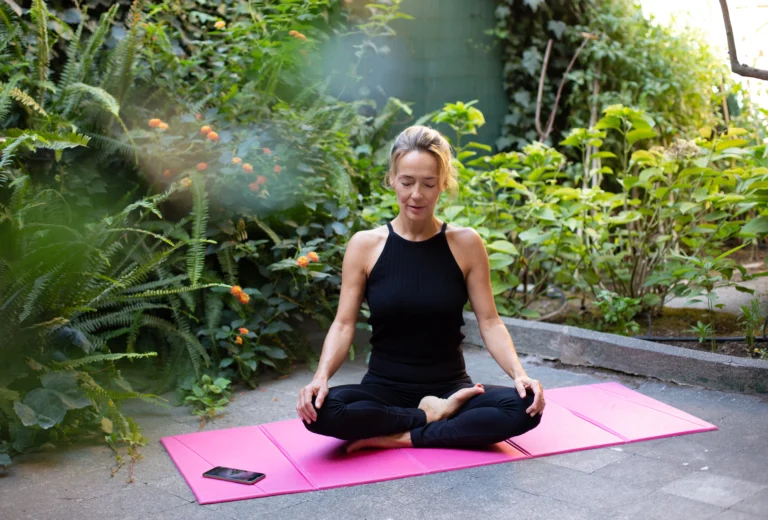
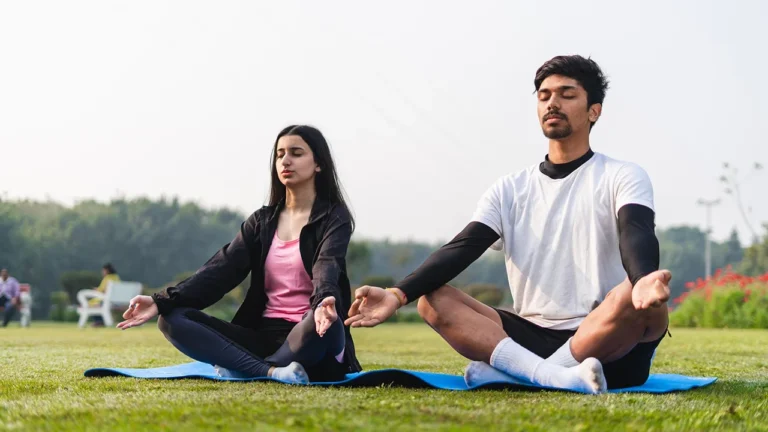
You need to practice mindfulness to help you stay present and diminish anxious thoughts. You can sit quietly, be present with your breath and notice your sensations without judgement. You can use guided meditation apps if you are a beginner at the practice. You need to take a few minutes out of your day and train your mind.
You can combine meditation with deep breathing and it will be twice as calming. You should find that your thoughts become clearer and less overwhelming as time goes by. You can use mindfulness techniques anywhere, to help you. regain your focus and inner peace quickly.
4. Maintain a Balanced Daily Routine
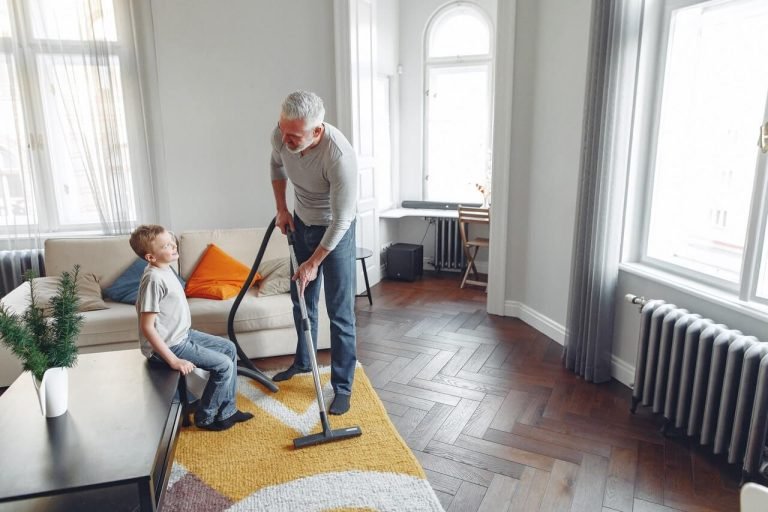
You should plan a daily schedule to give your life structure and predictability. You can schedule your work, meals, exercise, and relaxation in order to reduce uncertainty. You can add small enjoyable activities to improve your mood. One should stick to regular sleeping and waking times to improve energy levels and mental clarity.
If you have to change your routine gradually, do it slowly. In order to avoid getting overwhelmed, prioritize your tasks. A well planned routine can help you feel more in control of your day and less anxious.
5. Limit Caffeine and Alcohol Intake
You should pay attention to caffeine and alcohol as these can cause feelings of anxiety. You can eliminate coffee, energy drinks or alcohol to see how your body responds. You may find that reduced intake of these substances will help you sleep and think more clearly. You should replace them with water, herbal tea or healthy alternatives.
You can also keep a track of triggers that make anxiety worse. You should avoid coping with alcohol as it might make anxiety worse. You can feel calmer and more balanced by limiting your intake of caffeine and alcohol on a regular basis.
6. Connect with Supportive People
You should spend time with people that make you feel safe and understood. If you have friends, family, or support groups you can share your feelings with to let off the tension. You may find that by talking you can reduce the burden of anxious thoughts. You need to resist isolating yourself, it will only increase stress.
Meeting others who have similar challenges also helps you see things from a different perspective. You need to cultivate relationships based on positivity and emotional support. You will feel less isolated and stronger by engaging with caring people regularly.
7. Seek Professional Help When Needed
You should visit a therapist or counselor if the anxiety disrupts your daily life. You can seek out cognitive-behavioral therapy, counseling or other evidence-based treatments. You can also discuss medication options with a qualified professional.
You must remember that asking for help is a sign of strength, not a sign of weakness. You can use therapy along with self-help strategies for better results. You should go to sessions regularly and practice techniques that are learned in sessions.
With professional support, you can gain long-term relief and more effective coping skills and a greater sense of control over anxiety.
Conclusion
You must use these anxiety relief techniques reliably in order to feel calmer and more in control of your life. Deep breathing and exercise can also be combined with mindfulness and healthy routines for improved results. Small improvements each day can add up to a lifetime of relief.
You should be patient and nice to yourself as you experiment with these methods. Reach out to supportive people or seek professional assistance if necessary. Remember, overcoming anxiety is a journey, and that with dedication and consistent practice you can make progress.
Frequently Asked Questions (FAQs)
How frequently should I do anxiety relief exercises?
You should use these methods every day, even if it is only for a couple of minutes. You can slowly build up time and intensity. The good news is that stress-reduction and improved mood may be achieved after several weeks of practice.
Can exercise actually decrease anxiety?
Try exercising often as endorphins that are released during exercise will improve mood naturally. You have the option to undertake activities you like. You’ll find that moving around on a daily basis reduces tension and gives you more energy.
Is meditation for beginners effective?
So, when you begin with meditation, you need to begin with small sessions and simple techniques. Guided Apps help you to focus your attention. With daily mindfulness practice, you can observe that calmness is arising naturally on a gradual basis.
Should I stop drinking caffeine if I am anxious?
Also, you need to limit caffeine (if it is a trigger for your anxiety). Water and herbal tea may also be used as an alternative to coffee or energy drinks. After moderation, you may feel better sleeping and at ease.
When do I need professional assistance for anxiety?
You should consult a therapist if anxiety interferes with your daily life. You can discuss therapy, counseling or medication. With professional help, you can find long-term relief and have better coping skills.