Acne and pimples are global skin conditions affecting individuals’ overall confidence and appearance. They can appear anytime during life. Both cause physical discomfort and contribute to feeling of poor self-esteem. It may lead to scarring over time. Acne and pimples might be referred to as the same thing, but they are different. Understanding how they differ, acne vs pimples, helps you accomplish your goals more effectively.
What Is Acne and What Are Pimples
Acne is a multifaceted skin issues that occurs as a result of inflammation of hair follicles and sebaceous glands. Acne may appear as blackheads, whiteheads, papules (raised bumps), and pustules (raised bumps with pus). Acne may also appear in the form of nodules or cysts on the face, chest, back, and shoulders. As most people experience hormonal imbalances during their teenage years, the occurrence of acne is also common. However, many adults, especially women, experience acne because of the hormonal imbalances caused by menstruation, pregnancy, and stress.
A pimple is one kind of acne lesion characterized as a raised red bump that may or may not be filled with pus, which develops as a result of clogged pores (hair follicles) from excess oil production, dead skin cells, bacteria, etc. Although they can be painful or embarrassing, pimples are just one type of acne lesion. Therefore, it is very important to understand how to differentiate between an acne vs pimple in order to treat the two conditions correctly.
Causes of Acne and Pimples
Acne vs pimple can be caused by a variety of factors that affect the natural skin barrier. These influence the overall appearance of skin. Some of the causes of acne vs pimple are given below. These factors can lead to acne:
Excessive oil production
Acne vs pimples develop from many different causes, both inside the body and outside the body. Most notably, one of the biggest reasons for the development of acne or an increase in acne is excessive oil production. Your body produces oil through sebum as a way to keep your skin hydrated and to help protect against environmental irritants, such as pollution and smoke. When sebaceous glands in your skin become overactive, they create excess oil that can clog up pores and create an environment for bacteria to thrive, resulting in pimples and other types of acne.
Pores blocked
When skin pores are blocked due to dirt and debris, it contributes to acne. Skin builds up in the hair follicle and forms blockages, and mixes with the skin’s sebum. This contributes to the development of blackheads or whiteheads. Moreover, if any bacteria infect the blockage, it first becomes inflamed and then results in a pimple.
Bacterial Growth
Bacteria play an important role in the development of acne. Propionibacterium Acnes is a bacterium that lives normally on all skin types. It increases in numbers rapidly within an obstructed hair follicle, producing redness, swelling, and pus-filled pimples.
Hormonal fluctuations
Hormonal fluctuations are also an important factor in developing acne. When androgens increase throughout puberty, during menstruation, pregnancy, or during times of stress, they stimulate sebaceous glands to produce more oil. It leads to new acne formation along with worsening of the breakouts.
Influence of lifestyle factors
Lifestyle factors such as nutrition and diet, stress, and exposure to environmental pollutants can also affect the level of severity of acne. Eating foods high in dairy products, sugar, or fat may leads to an increase in breakouts. If you are experiencing high stress, your body produces more cortisol, which can results in more oil being produced. Using harsh skin care products or being exposed to environmental pollutants can accelerate the worsening of breakouts.
Identifying Acne and Pimples
Pimples are typically described as small, inflamed, reddish bumps that may contain pus and can feel tender and painful upon touching them. Pimples also generally resolve on their own in a few days to weeks, if appropriate care is given.
On the other hand, acne is a larger and more persistent condition than just having one or two pimples. Acne consists of blackheads (open comedones), whiteheads (closed comedones), and inflamed red bumps (pimples). In the more severe cases of acne, there are nodules or cysts that form deep within the skin and can be painful to touch. Acne may last for several months, and scarring or hyperpigmentation can occur even after the skin has healed.
These two different types of skin lesions can be managed with very different forms of treatment. Therefore, being able to identify the differences makes it possible to correctly identify what type of treatment should be considered to help improve a person’s skin condition without making it worse and supporting overall health and wellness.
Effective Prevention Strategies
To effectively prevent acne vs pimples, it is important to develop a consistent approach to skincare and everyday life, by acquiring health lifestyle habits. You can also seek professional assistance for this concern. The following are some preventive strategies for acne vs pimples:
Gentle Skincare Regimen
Regularly washing your face with a mild cleanser twice daily helps reduce the level of excess oil and impurities present in your skin. It minimizes the chances of irritating or damaging the skin barrier.
Avoiding Excessive Mechanical Scrubbing
Capillary over-exposure or excessive mechanical scrubbing causes inflammation to your skin, which will exacerbate the development of any current or future acne breakouts on your skin. Therefore, by continuing to use non-comedogenic moisturizers, sunscreen, and avoiding frequent hand contact with your face, it is important to avoid obstruction and damage to your skin.
Healthy Nutrition and Diet
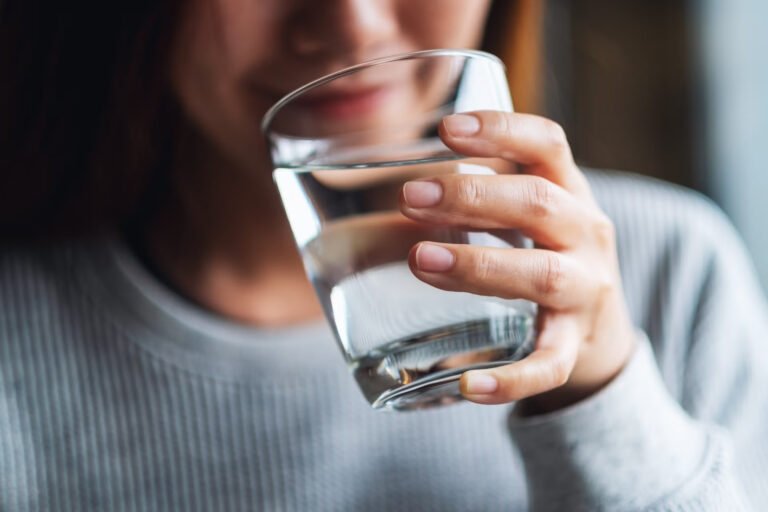
Eating more fruit and vegetables, as well as consuming antioxidants, can help you achieve clearer skin. If you eat a lot of sugar, fried food, or highly processed food, you have a greater chance of getting acne. Drinking plenty of water keeps the skin balanced naturally and helps it heal itself.
Stress Management Techniques
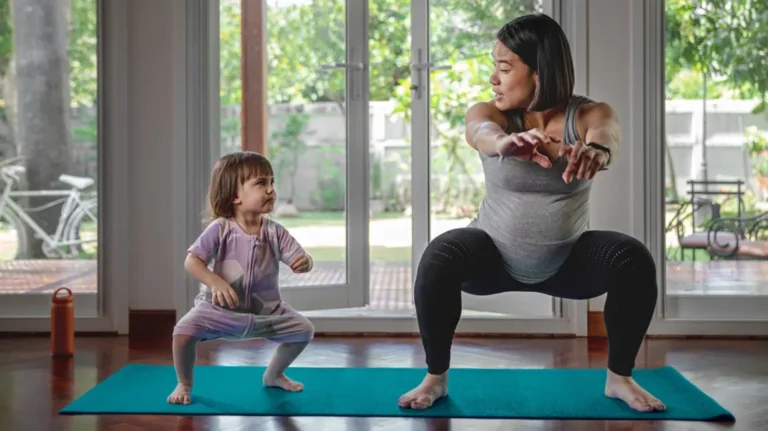
When you are under stress, your hormones get out of balance, which can lead to an increase in your acne. Stress management techniques such as meditation, stretching, yoga, and deep breathing exercises help keep your hormones in check and decrease the number of breakouts. Additionally, if you get enough sleep, your body will produce hormones that support clear skin.
Avoid Mixing of Different Acne Treatments
It is important to avoid overuse or mixing of different acne treatments. Both irritate your skin, leading to inflammation from applying many different chemicals at once. Sticking with a basic regimen in one order typically gets better results than changing your treatment plan all the time.
Considering Topical and Oral Medications
If you have chronic or severe acne, you may need to seek the help of a professional dermatologist. You may want to consider topical medications, e.g., benzoyl peroxide, salicylic acid, or retinoids that can help reduce inflammation and unclog pores. Sometimes you may need to take oral medications, e.g., antibiotics or hormones, in addition to topical treatments.
Considering Dermatological Services
Light therapy and chemical peels can help get rid of acne and scarring. Consulting the dermatologist as early as possible will ensure your acne is treated as safely and effectively.
Common Misconceptions About Acne
There are many situations when people find themselves believing that they have acne or other related skin conditions due to misinformation. Many people believe that acne is due to poor hygiene. Yes, it is, but not in every situation. Hormones and genetic factors greatly increase the chances of the occurrence of acne vs pimples. Moreover, how often you wash your face, and washing too often, may actually make the problem worse.
Another common myth is that popping a pimple will speed up its healing process. You should know this will put you at a greater risk of infection and might even lead to permanent scarring. Some people also believe that acne affects only teenagers, but adults can experience acne at any age due to hormonal changes or stress. So, knowing the facts makes it easier to use some good skincare practices when dealing with acne.
Long-Term Skin Care Tips
Taking care of your skin is not just about treating your acne, it is about maintaining a healthy skin care regimen. You should gently scrub your face with a good face scrub and use a good moisturizer, ideally one with SPF, at least twice a week to keep your skin hydrated. It helps prevent your pores from getting clogged with excess dead skin cells.
Consistently using an SPF (sun protection factor) daily also protects any healing skin from sun damage and reduces the likelihood of developing hyperpigmented areas. Non-comedogenic makeup products reduce the chances of developing breakouts.
Giving your body enough rest and eating well contribute to healthy skin, help it stay strong and able to deal with environmental changes, and help with hormonal changes that can affect the skin on your face. These long-term skin care tips aid in disease prevention for skin conditions that may occur in the long run.
Conclusion
Acne vs pimples may appear as the same skin concerns, but these are not the same. They differ in their own perspective. Understanding the difference between the two helps in their effective treatment and reduces the risk of further skin complications.
To achieve consistent, clear skin, a person needs to devote time and patience. Ultimately, the more a person understands the causes and differences between acne vs pimple, the easier it will be for that person to make informed decisions to help achieve clearer skin and high levels of confidence throughout their daily lives. You can read more beauty and skin care blogs on Xendo Health, a clinically supported blogging page.
FAQs About Acne Vs Pimple
What is the difference between acne and pimples?
Acne refers an ongoing skin condition characterized by the presence of several forms of clogged pores, such as blackheads, whiteheads, cystic lesions, and nodular lesions. Pimples, on the other hand, are the result of inflammation of a single pore due to blockage.
Is acne a concern for teenagers only?
Acne can occur at any age, although approximately 60% of acne sufferers are under age 30. Hormonal fluctuations, stress, and some medications may contribute to adult women experiencing acne.
Does poor hygiene cause acne?
Acne does not come from dirt or not cleaning your skin enough. Overwashing your skin and scrubbing too hard can be irritating to your skin and can make your acne worse.
Are pimples supposed to be popped?
No, popping pimples can increase the chances of an infection development. It may worsen inflammation and leave a permanent mark or scar on your skin. It is better to use the right skincare products to treat them.
How can I prevent acne and pimples naturally?
You can help prevent acne vs pimples from forming by using a gentle skincare routine, using non-comedogenic products, eating a healthy, balanced diet, drinking plenty of water, and keeping your stress levels under control.