Acne is generally considered a skin blemish. Acne not only impacts skin health but also influences overall health and wellness, as a hygienic concern. Conventional cleansing methods, including daily use of topical acne care products, can reduce acne. If your acne is persistent, acne facials may be needed for more enhanced results.
Acne facials are professional treatments of the skin, which target clogged pores, excessive oil production, and inflamed skin. A trained licensed aesthetician performs an acne facial. It has a positive effect in terms of skin appearance and has a proactive effect against future acne breakouts.
Understanding the Root Causes of Breakouts
Blocked pores are responsible for the formation of acne. The factors contributing to the blockage of pores in one individual may not be the same as in another person. These causes may include hormonal changes that lead to increased levels of androgens and stress levels. Some dietary factors and improper skin care practices may also lead to acne breakouts. Once a pore is clogged, it can form into a wide array of acne types, such as whiteheads, blackheads, or acne that is inflamed acne. You may also notice breakouts beyond the face, leading many individuals to search for how to get rid of chest acne when clogged pores and excess oil affect the upper body as well.
Treating acne involves addressing its every cause individually. Balancing oil production, removing impurities from the skin, and reducing irritation on the skin are necessary. Additionally, allowing the skin to heal on its own by supporting it through proper nutrition and diet helps speed the recovery process.
What exactly is an Acne Facial?
Acne facials are designed especially for those who have breakouts as their main skin concern. You should know that acne facials are different from regular relaxation facials. The main purpose of acne facials is to cleanse the skin thoroughly. It cleanses the areas of skin where breakouts occur on a routine basis.
Deep Cleansing and Gentle Exfoliation
The first step of an acne facial is usually a thorough cleansing of the skin to remove all makeup and oil in order to prepare the skin for exfoliation.
Exfoliating skin helps reduce build-up of dead skin cells and oil within the pores, which are usually the cause of the breakout. Depending on the client’s skin type, the aesthetician may use enzymes or a mild acid-based chemical as an exfoliating agent to loosen build-up. It results in improving skin texture and allowing other treatment products to penetrate the skin more effectively.
Professional Extractions
For individuals specifically concerned about congestion in the T zone, professional exfoliation can be especially helpful for those wondering how to get rid of forehead acne caused by oil buildup and product residue.
A major benefit of receiving an acne facial is that trained professionals can extract blackheads or whiteheads from your skin without causing as much trauma to your skin. If you attempt to squeeze out blemishes at home, the results will likely include scarring and more inflammation than before. Having a professional remove the blemish will help clear the pores of any remaining oil while keeping the skin intact. Thus, it helps the skin recover fully from any previous breakouts.
Targeted Treatment Masks
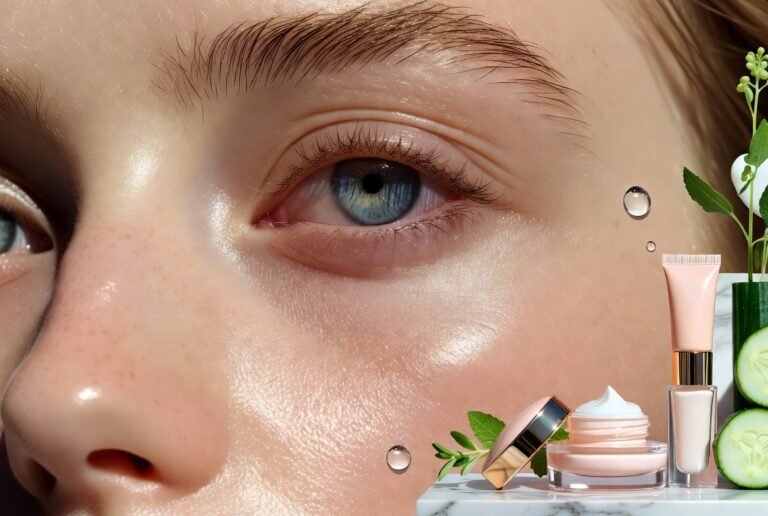
After the extraction process, a calming mask or a purifying mask will usually be applied to the surface of the skin to assist in its recovery process. The majority of targeted treatment masks will contain an ingredient such as clay or a soothing botanical extract, such as pelargonium. This helps to remove excess oil from the skin’s surface, reduces redness, and restores balance. This part of an acne facial helps to support the healing process of the skin.
Benefits of an Acne Facial for Breakout-Prone Skin
Acne facials have benefits in various ways. There are immediate and long-lasting benefits associated with the use of an acne facial. Some of these are given as follows:
Improved Pore Clarity: An acne facial helps to enhance the clarity of your pores. By eliminating dead skin and excess oil, treatments will significantly reduce congestion associated with pores. When your pores are clear, there are fewer chances for bacteria to survive and create new acne.
Reduced Inflammation: An acne facial helps to reduce the inflammation that results from the presence of inflamed acne. Treating inflamed acne through the use of soothing ingredients helps reduce irritation and promotes an overall even skin tone.
Enhanced Product Absorption: Acne facial assists with improving the absorption of active ingredients within your favorite serums and creams. When your skin has been exfoliated, dead skin will no longer be blocking the active ingredients in serums and creams, allowing for better penetration. It will enhance the productivity of your daily skincare products.
Acne facial treatments target only the skin of your face, but professional treatment methods for treating other body parts can be utilized by individuals interested in knowing how to get rid of body acne. The basic principles of deep cleansing, exfoliation, and oil-control apply to all other parts of your body as they do your face.
How Frequently Should Acne Facials Be Scheduled
When you have active breakouts, many experts suggest scheduling an appointment every 4 to 6 weeks. The most important thing to remember is that while you might have a good experience from one facial, to achieve the best and longest-lasting results, you should continue to have facials regularly.
Maximizing Results After Your Treatment
After your acne facial, taking care of your skin is crucial to keep it clear. You should cleanse your face gently using mild soap or cleanser, moisturize with a non-comedogenic moisturizer, and use sunblock each day. You should avoid touching your breakouts and should follow all of the directions given to you by your dermatologist.
The combination of acne facials, with healthy lifestyle habits, is the best way to get that clear complexion you have always wanted.
Conclusion
A facial for acne is not just for self-care. It is a treatment to help with the root causes of acne breakouts. Having facial for acne as part of a professional program is a great option for those looking to treat their ongoing acne issues by developing a structured plan for achieving healthy, clear skin. For more such self-care blogs, you can visit Xendo Health blogs.
FAQs About Acne facials
What is an acne facial?
These facials consist of professional treatment of the skin that will deliver deep cleaning of your pores, help to eliminate debris, help to reduce the amount of inflammation, and aid in getting rid of any current acne.
How does an acne facial help with breakouts?
They assist in improving breakouts by removing the excess oils from the face. Safely extracting clogged pores, exfoliating the dead skin from the face, and applying an appropriate treatment to soothe the irritation helps reduce the breakouts.
Do acne facials suit all skin types?
Yes, mostly they do so. Acne facials are safe for people with oily or combination skin. Individuals with very sensitive skin or large areas of cystic acne should speak with their dermatologist before having acne facial treatment.
How frequently should I schedule acne facials for the best results?
Professional recommendations vary, but typically, aestheticians suggest you receive a treatment about every four to six weeks, depending on how severe your acne is and how well your skin handles treatments.
Can an acne facial replace my daily skin care routine?
No, it cannot. An acne facial helps support and complement your skincare program. Repeated use of a good cleansing and moisturizing product daily is very important to achieve and maintain clear skin.