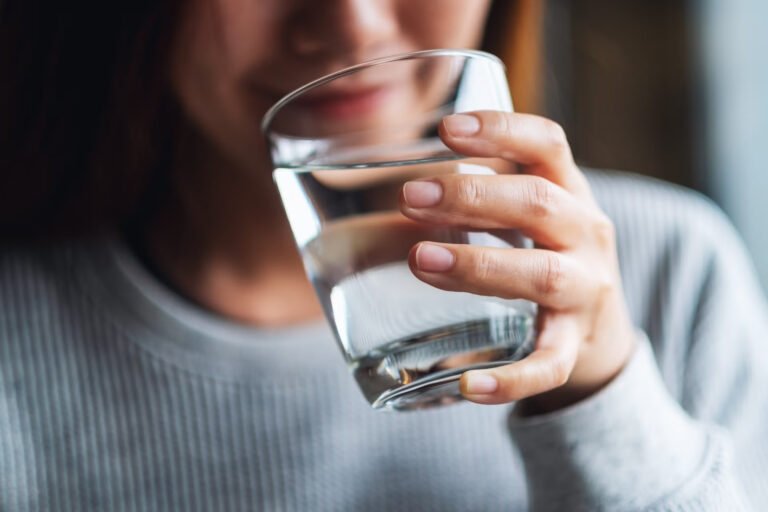
You trust the water when you turn on your tap. You use city water or tap water for your daily tasks such as drinking, cooking and bathing. But do you think that the tap water is safe for your health? You should take steps to ensure your family’s health.
City water undergoes the required procedures before it reaches your tanks. Chlorine and rust in old pipes can cause problems. We have good news that you are not hopeless. This blog will guide how to make city water better. It will include safety tips that help you to prevent problems.
What Is City Water and How Does It Work
City water is drinking water that government agencies supply to your taps. In general, it comes from rivers, lakes and underground sources. It undergoes a comprehensive filtration procedure to ensure health safety. It includes removal of dirt, chemicals and harmful germs. The San Francisco Public Utilities Commission is a government agency that looks after it. It passes through pipes and tanks before reaching your home. Old pipes contain mineral buildup, dirt and rust that can make it harmful. These factors change water quality and make it harmful.
Common Problems With City Water Quality
City water has several common problems that affect taste, quality and safety measures. According to the WaterBoss report, calcium and magnesium leave stains and soap on taps. Chlorine helps to kill germs, but it can affect the taste and odor of water.
Old and damaged pipes can introduce harmful contaminants into city water. According to CalSoft reports held in San Maria, lead, PFAS and pesticides sometimes enter the city water through old, aging or damaged pipes. These problems can change the odor, taste and color of city water.
City Water Quality Standards in the USA
The United States Environmental Protection Agency (EPA) helps to regulate city water quality. The EPA sets limits for harmful contaminants in drinking water. It helps to ensure that public water suppliers provide safe water to the people. Quality tests include bacteria, chemical and heavy metal detection. Results help to show each substance level. Water suppliers take action and report to the public in the case of a high level.
Water companies publish an annual report in the USA. The Consumer Confidence Report (CCR) includes the water source, testing, and federal standards. You can directly ask your local supplier for a report copy.
Household Actions to Improve Tap Water
Simple steps are more beneficial, as they help to improve city water quality. DC Water recommends running cold tap water for a few seconds before using it. Reverse Osmosis (RO) helps to purify chlorine, metals and other impurities. Old plumbing needs replacement to promote disease prevention. It also helps to prevent impurity mixing. Clean faucet aerators of taps to improve city water quality. Flushing hot water before use helps remove impurities. These simple and small actions help to improve health and wellness.
Smart Ways Cities Can Improve Water Quality
City water can be improved by upgrading the procedures and infrastructure. Seven Seas Water Corporation provides advanced technology that helps to remove impurities and ensure health safety. Old pipe replacement is important because aging pipes can leak, break or add metals into drinking water. Strong watershed protection helps to improve city water. It includes the safe disposal of toxic wastes and the installation of rain barrels. Digital monitoring helps to detect leakage and contamination. Adopt recycled and reused water strategies to improve environmental health. It also helps to protect the fresh water supply.
Water Conservation for Better Quality
Water saving does more than lower your bills. It also helps to improve water quality. When people use less water, it helps to reduce the strain on water pumps and purification plants. It also helps to reduce runoff and pollution. Rainwater carries oil, chemicals and trash from roads and other surfaces. It mixes these particles into rivers and lakes that pollute the water.
The United States Environmental Protection Agency helps to promote green infrastructures. Rain gardens absorb water into the soil, while permeable pavements allow rain to pass through them. These natural filtering systems help to purify water before it reaches streams.
Case Studies
Many cities improve water quality through smart systems and better planning. The Las Vegas Valley Water District uses advanced technology to improve the quality of city water. Sensors help to detect water problems to ensure public safety.
The Orange County Water District (a water utility company in California) runs the world’s largest water cycle project. This project uses advanced technology to purify wastewater into safe drinking water. It helps to improve the long-term water supply without dependence. The New York City Department of Environmental Protection protects forests and reservoir lands for a clean water source. It helps to improve water quality and increase public trust.
How To Make City Water Better By Involving Locally
You can play a role in improving city water. Begin with a city water test and report if you find a problem. Attend public water board meetings to learn about decisions and voice your concern. Advocate for infrastructure funding to ensure pipes and treatment plants are up to date. Boise State University recommends to join community cleanups and water monitoring events. It helps to protect rivers, lakes and other reservoirs. Small efforts help to make a big difference in city water quality. People wonder is well water better than city water for everyday household use. Yes, well water is somewhere better than city water, as it contains less impurities compared to city water.
Conclusion
City water leaves an impact on your health and daily life. Hard and contaminated water is the common problems. People seek practical ways to learn how to make city water better for daily use. Simple solutions are enough to address the problem. Replacing old pipelines plays a key role in improving city water quality.
You should participate in improvement by testing water quality. Home filters, such as ROs and activated carbon help to purify water. If this blog is helpful for you, then share it with your community. Do not forget to leave your valuable opinion in the comments. Follow Xendo Health for more valuable health related information.
Frequently Asked Questions About City Water Quality
Is city water safe to drink?
Water in most cities meets U.S. standards, but quality varies due to old pipelines and plumbing issues. You should test the city water and report if you find any problems concerning the quality.
How can I test my city water at home?
A water testing kit helps you to test city water at home. You can request a water test report from your water supplier or send a sample to a certified lab for detailed testing.
What is the best way to improve tap water taste?
Activated carbon filters and ROs are the best ways to purify city water at home. It helps to reduce chlorine and improve taste. You should run cold water before use, as it is an effective way.
Does boiling city water make it safer?
Boiling is somewhat effective as it helps to kill bacteria and viruses, but it does not remove heavy metals, minerals and chemicals.