Cushing’s disease is a complex endocrine disorder that is caused by excessive production of the cortisol hormone produced by the adrenal gland. Cortisol helps to regulate metabolism, the immune system, and the body’s ability to respond to stress. A prolonged increase in cortisol can lead to major disruptions of normal bodily functions, affecting the person both physically and mentally. Physical and emotional changes occurring in patients with Cushing’s Disease before and after treatment are significant in emphasizing why an early diagnosis and good medical management are so important.
Patients often describe the difference between their lives before treatment and their lives after receiving treatment as being incomprehensibly different. Gaining a better understanding of Cushing’s disease and treatment helps patients to become aware of and identify their own symptoms earlier in their disease process, and allows them to realize the importance of seeking prompt medical help.
Recognizing Cushing’s Disease Before Treatment
Most people notice a gradual increase in the number and severity of symptoms before starting treatment, e.g., in their appearance, physical health, and emotional well-being. Recognizing the earlY signs of the disease helps an individual and their physician to play a role in disease prevention by planning an effective treatment plan.
Physical Changes and Visible Symptoms
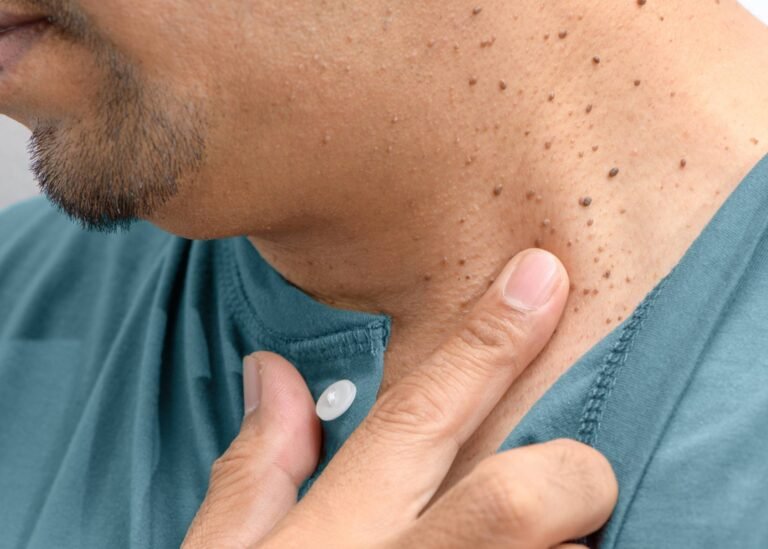
Visible changes in the appearance are noticed by people with Cushing’s disease. They have noticeable weight gain, particularly in their abdomen, face, and upper back, often described as or referred to as moon facies. In addition, fat may accumulate between the shoulder blades. Individuals may also experience changes to their skin, which may become thinner and more fragile, leading to an increased likelihood of sustaining bruises and having additional difficulty healing from bruising.
Individuals may have more visible signs of skin changes, such as the presence of pink or purple striae (stretch marks) on their abdomen, thighs, or arms due to excess weight gain or weight changes. Lastly, individuals may experience weakness in their muscles, especially legs and shoulders, preventing them from performing normal daily activities.
Proper nutrition and diet may help support a person’s overall health, but the most important part of the Cushing’s disease management process is appropriate medical care.
Emotional and Metabolic Effects
The physical appearance of a person with Cushing’s disease is not the only thing that is affected by the disease. Those who have higher levels of cortisol can experience changes in mood or difficulty managing emotions because of their hormone levels.
Many people who have Cushing’s are also prone to developing other negative physical effects related to Cushing’s, such as high blood pressure, high blood sugar levels, and bone density loss. Most of these effects can have a serious negative impact on one’s quality of life if left untreated.
The Role of Treatment in Reversing the Condition
Diagnosis of Cushing’s disease involves treating a person with the disease by decreasing the amount of cortisol being produced by the body. Surgery can sometimes be used to physically remove the tumor from the pituitary gland that is making and secreting too much adrenocorticotropic hormone. Medications or radiation therapy may also help treat Cushing’s disease based on an individual’s present condition. Physicians also recommended that the Cushing’s patient adopt some healthy lifestyle habits to support their overall recovery.
Early Improvements After Treatment
When the patient’s cortisol levels drop back into the normal range, he/she often begin to see improvements in energy levels. Reduction in fatigue results in increased daily functioning. Various healthcare professionals recommend including fitness and exercise in a daily routine for an enhanced quality of life.
The improvements to the patient’s mood normally develop during the early phase of recovery, as hormone levels normalise, the patient often experiences a decrease in symptoms of anxiety, depression, or emotional instability. The patient also experiences an improvement in their sleeping pattern, as their body continues to return to a normal hormonal cycle.
Long-Term Physical Recovery
Physical recovery typically presents itself gradually over multiple or even many more than several months. In this phase of recovery, it is typical for an individual to begin losing weight. This weight loss is visible in the areas of more fat deposition. The facial fullness of an individual is also reduced as a result of effective treatment outcomes. Strengthening of muscle tissue also begins to re-establish during the recovery period.
Skin health also improves during the recovery period. The chances of the occurrence of bruising of the skin may be reduced, and the stretch marks usually fade with time, but do not disappear completely. Moreover, the blood pressure and blood sugar levels also normalize in the long-term recovery period.
Patient Experiences of Cushing’s Disease Before and After Treatment
All individuals go through different experiences of Cushing’s disease before and after treatment results. Comparing your life before and after you have been diagnosed and treated for Cushing’s disease shows how much improvement there can be with an appropriate treatment.
Before the treatment of Cushing’s disease, an individual consistently deals with excessive fatigue and suffers from emotional distress. Physical discomfort can also be experienced by the individual with Cushing’s disease on a regular basis. Even the simplest daily tasks seem to tire the individual more, and their self-esteem suffers due to their physical appearance. Cushing’s disease affects both women’s and men’s health, however, they have different symptoms and will recover from Cushing’s disease in different ways.
After Cushing’s disease has been successfully treated, many individuals report that they feel like themselves again, have more energy, emotional balance, and increased physical strength. They have greater confidence as their bodies slowly recover. Recovery from Cushing’s disease varies from person to person. The general prognosis of previously diagnosed Cushing’s disease is good when it is diagnosed early and properly treated.
Conclusion
Cushing’s disease can influence mental and physical well-being by making changes in overall appearance and causing a risk of anxiety attacks. These symptoms affect the daily functioning of the individual. So, an early diagnosis and an effective management plan are necessary. The appropriate continuum of care helps an individual to recover fast and reduces the risk of further complications.
You can read more blogs on Xendo Health, a reliable platform for health information that provides individuals with important health knowledge and assurance throughout the entire health journey.
Frequently Asked Questions (FAQs) About Cushing’s Disease Before and After Treatment Results
What is Cushing’s disease, and what causes it?
Cushing’s disease occurs when there is excess cortisol production, as a result of a hormonal imbalance. The most common cause of Cushing’s disease is an anterior pituitary adenoma (tumour) that produces excess adrenocorticotropic hormone (ACTH).
What are the most common symptoms of Cushing’s disease before treatment?
The symptoms of Cushing’s disease before treatment include increased weight around the abdomen and face, decreased muscle tone, and lack of energy. A general thinness of skin and easily sustained bruising with reddish or purple (stretch) marks are also visible. Individuals with Cushing’s disease also experience emotional instability. Some individuals report of experiencng anxety attacks while having the disease.
How is Cushing’s disease diagnosed?
Cushing’s disease is diagnosed by blood, urine, saliva, and MRI imaging tests. These tests all evaluate cortisol levels in the body and look for tumors of the pituitary gland.
What is the typical recovery time after treatment for Cushing’s disease?
Each individual requires a different amount of time to fully recover. Patients with Cushing’s disease can see some changes within a few weeks, and might experience relief from current symptoms, but achieving complete health and hormonal balance often takes several months to years to occur.
What is the most common treatment for Cushing’s disease?
The best treatment for Cushing’s is often surgical in order to remove the adrenal tumor causing excessive cortisol production. Chemotherapy and radiation therapy are also considered while treating Cushing’s disease.