Many people suffer from Body acne at some point in their lives. It is not as well-known as facial acne. Pimples on your upper arms or chest can be a reason for your embarrassment and discomfort. It can affect your self-esteem and self-confidence. A variety of factors contribute to body acne. This blog presents details on how can you get rid of body acne. Understanding its causes will help you to get rid of body acne and manage it effectively.
Understanding Body Acne
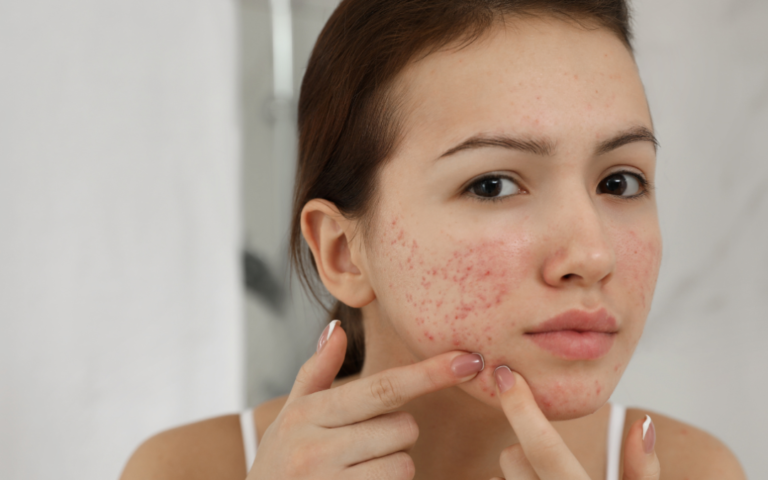
When excess oil, dead skin cells, and bacteria clog the pores of your body, body acne occurs. Body acne is more commonly found on other parts of the body rather than your face. It may be present on the back, chest, shoulders, and even on some people’s arms.
The most common reasons for this type of acne are hormonal imbalance, stress, diet, and even certain types of clothing. If body acne is uncontrolled, you can experience irritation, redness, and sometimes scarring on your skin. You should plan an effective acne management plan and take measures to prevent it as part of your daily healthy lifestyle habits.
Causes of Body Acne
Increased production of oil on your skin is usually due to hormonal changes. However, sweat and friction due to tight clothing and fitness gear can also contribute to body acne. If you do not shower after working out or use a harsh soap on your body before you work out, this contributes to worsening your body acne. This body acne may be a reason for mental distress in some individuals. So, developing a good skincare regimen is necessary.
Optimizing Daily Skincare Routine
Making slight changes in your daily skincare routine can drastically influence your skin health. One of the most important aspects of this is gentle cleansing with a mild body wash that prevents your skin from losing its natural oils. Exfoliating your body one or two times a week helps to remove dead skin cells and unclog pores.
After these steps, moisturizing your body properly is crucial for maintaining body’s natural softness. You can use a good moisturizer that is non-comedogenic. It will help to hydrate your skin without causing future breakouts. Moreover, developing a healthy fitness and exercise routine helps remove toxins from the body and cleanse the pores by producing sweat. It also enhances the body’s circulation that promotes healthy skin.
Choosing the Right Products
Choosing appropriate skincare products helps improve the effectiveness of your skincare routine. For example, both benzoyl peroxide and salicylic acid are clinically proven to eliminate acne-causing bacteria and to decongest clogged pores. You can consider some natural antibacterial options, such as tea tree oil. It is effective in unclogging the skin pores.
You should avoid using oil-based and heavily scented lotions on your face because they can clog the pores and irritate the skin. When you eat healthy, balanced nutrition and diet, it delivers essential nutrients to the skin. This improves the natural barrier of the skin and promotes healthy skin.
Lifestyle Adjustments for Clearer Skin
Body acne can be treated through a holistic approach to overall health and wellness. It requires looking at your lifestyle habits. Dressing in breathable fabrics such as cotton or moisture-wicking materials helps to reduce friction on the skin and give it more opportunity to breathe.
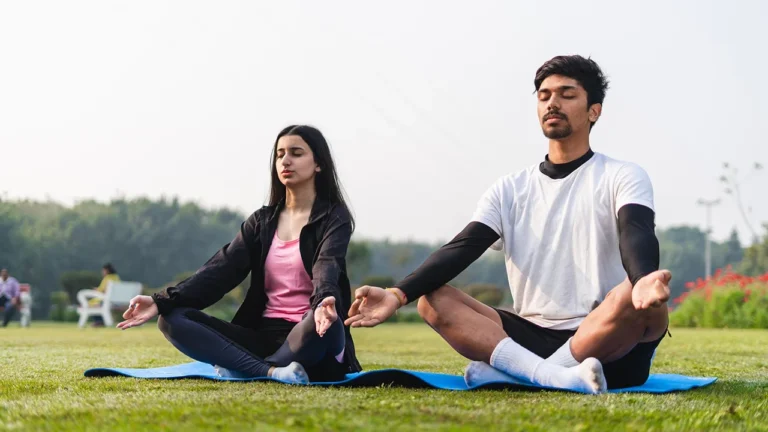
Exercise helps promote circulation and the renewal of healthy skin. However, this should also be accompanied by taking a shower shortly after working out in order to remove sweat. This reduces the chances of bacterial growth on the skin and allows for quicker hormone regulation. Lifestyle adjustments also include stress management strategies. It helps promote women’s and men’s health by effectively regulating their hormones and promoting healthy skin.
Diet and Environmental Considerations
Eating the right, healthy foods has more impact on the health of your skin than you may think. A diet high in fruit, vegetables, whole grains, and lean protein provides your body with essential vitamins and antioxidants necessary for healing tissue and reducing inflammation.
Avoiding processed and sugary foods helps reduce insulin spikes, which can be a trigger for the development of acne. Staying hydrated is also vitally important in keeping your skin cells nourished and able to defend against irritants and breakouts. Moreover, reducing the exposure to pollutants and toxins helps protect your skin from external acne triggers and irritation.
When to Seek Professional Help
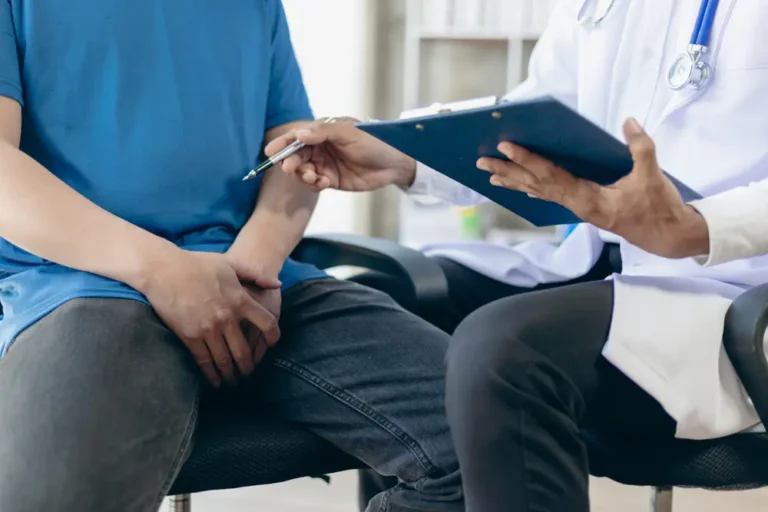
Mostly body acne can be managed at-home, but severe cases or chronic cases of body acne are to be evaluated by a dermatologist. Chronic or severe cases may require prescription medications such as topical retinoids, oral antibiotics, and hormonal therapy. These medications are used to treat deep cystic acne. Additionally, professional help is necessary for disease prevention, as well as providing you with long-term healthy skin.
Conclusion
You can reduce body acne greatly by learning about its causes, finding the best products to treat it, and establishing habits that support its ongoing treatment plan. Be patient and continue with your regimen, and you will have healthier, clearer skin to feel more confident about being aligned with your overall health and wellness goal journey. You can read more beauty and skincare-related blogs on the Xendo health blog page.
Frequently Asked Questions (FAQs) About How Can You Get Rid of Body Acne
What are the causes of body acne?
The presence of acne on the body occurs through clogged pores due to excess sebum production, dead skin cells, and bacteria. Friction caused by clothes, body sweat, and sometimes hormonal problems can also lead to body acne. Changes in nutritional values can also contribute to body acne.
How can I treat back acne effectively?
Gentle daily bathing or exfoliation followed by topical treatment containing either salicylic acid or benzoyl peroxide is recommended for treating back acne. Wearing breathable material to limit exposure to friction and sweat also helps to manage back acne.
Can stress or mental health issues worsen acne?
Stress is known to trigger hormonal imbalance as well as cause inflammation, which can cause body acne. Supporting mental health using mindfulness, sleep, and relaxation techniques can help improve the condition of your skin.
When should I seek medical help for body acne?
If your acne is severe, painful, persistent, or results in scarring, you should definitely consider seeking professional help. Your dermatologist will likely prescribe a topical retinoid, an oral antibiotic, or a hormonal therapy.
Can lifestyle changes prevent body acne?
Yes, it can prevent body acne. If you change your daily routine by adopting a healthy lifestyle can reduce the risk of acne. Wearing breathable clothing while maintaining good hygiene, drinking enough water, following a healthy diet, and avoiding irritants in your environment helps reduce future breakouts and improve your skin health as a whole.